







What's Happening?
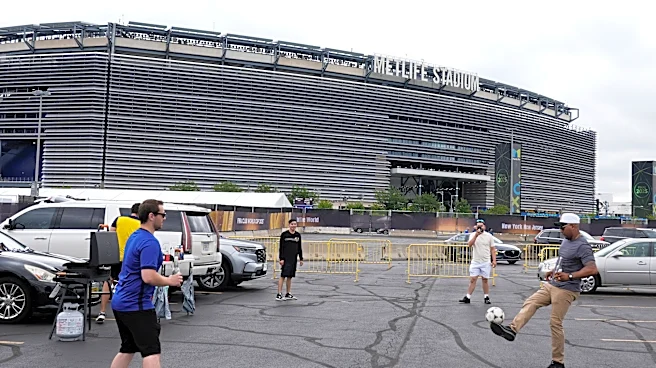
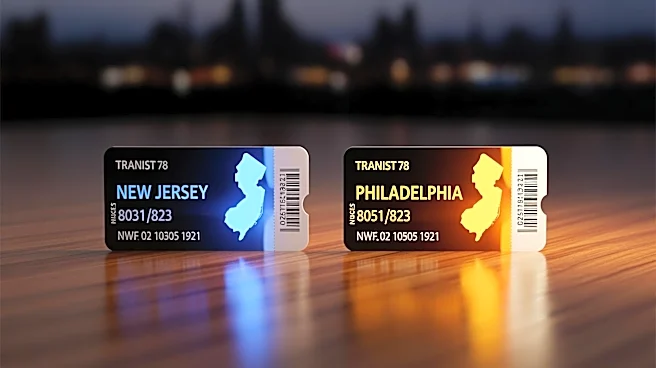
As the World Cup approaches, significant differences in local transit costs have emerged between New Jersey and Philadelphia. In New Jersey, a return rail trip from MetLife Stadium to Penn Station in New York will cost $150, a substantial increase from the usual
$12.90 fare. This pricing decision has drawn criticism from FIFA, which expressed concerns that elevated fares could deter fans and lead to increased congestion and late arrivals. In contrast, Philadelphia has arranged for free transit for fans leaving World Cup matches via the city's transit system. Boston will also see increased costs, with round-trip bus services to and from Gillette Stadium priced at $95. These variations highlight the logistical challenges and economic impacts associated with hosting large-scale events like the World Cup.
Why It's Important?
The disparity in transit costs between New Jersey and Philadelphia underscores the broader economic implications of hosting the World Cup. High transportation costs in New Jersey could discourage attendance, potentially affecting local businesses and diminishing the anticipated economic benefits. Conversely, Philadelphia's decision to offer free transit may enhance the city's appeal to visitors, potentially boosting local commerce and tourism. These decisions reflect the strategic choices cities must make to balance revenue generation with accessibility and fan experience. The situation also highlights the influence of international organizations like FIFA in shaping local policies and the potential for public backlash against perceived price gouging.
What's Next?
As the World Cup draws nearer, stakeholders in New Jersey may face pressure to reconsider their pricing strategy to avoid negative impacts on attendance and local economic benefits. FIFA's criticism could prompt discussions between local authorities and transit agencies to explore alternative solutions. Meanwhile, Philadelphia's approach may serve as a model for other host cities seeking to maximize the event's positive impact. The ongoing dialogue between FIFA, local governments, and transit providers will be crucial in addressing these challenges and ensuring a successful World Cup experience for fans and host cities alike.