




What's Happening?
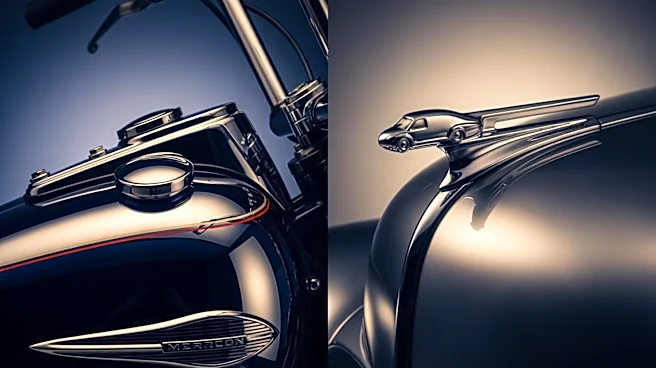
The USA TODAY Network has highlighted Harley-Davidson and Ford Motor Company as two of the 50 most iconic brands that have shaped America's identity. Harley-Davidson, founded by William Harley and Arthur Davidson, began in a shed in Milwaukee and has grown
into a global symbol of American culture, known for its distinctive motorcycle sound. The brand's journey includes a period under American Machine and Foundry (AMF) ownership, which streamlined production but affected quality, leading to a buyback by the Davidson family. Ford, on the other hand, revolutionized manufacturing with the Model T, selling 15 million units by 1927 and redefining Detroit's industrial landscape. These brands, along with others like Apple and Microsoft, represent American ingenuity and the potential for small beginnings to evolve into international icons.
Why It's Important?
The recognition of brands like Harley-Davidson and Ford underscores their significant impact on American culture and economy. Harley-Davidson's global presence and cultural resonance highlight the brand's role in promoting American values of freedom and individuality. Ford's manufacturing innovations not only transformed the automotive industry but also set a precedent for mass production techniques worldwide. These brands contribute to the U.S. economy by creating jobs, fostering innovation, and maintaining a strong cultural influence. Their stories of humble beginnings and subsequent growth inspire entrepreneurial spirit and reflect the American dream's accessibility.
What's Next?
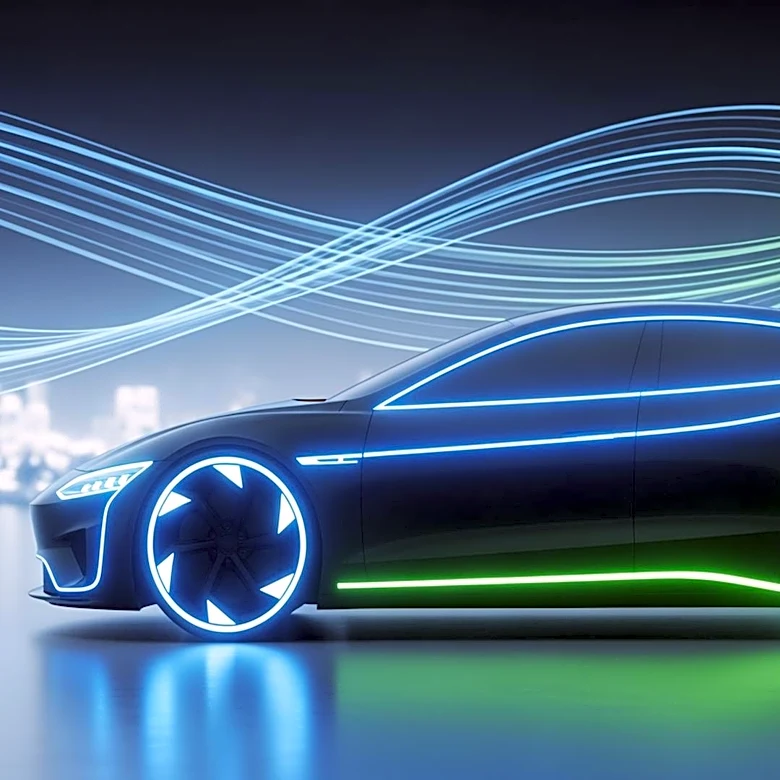
As these iconic brands continue to evolve, they face challenges such as adapting to technological advancements and changing consumer preferences. Harley-Davidson may focus on expanding its electric motorcycle lineup to appeal to environmentally conscious consumers, while Ford is likely to continue its push into electric vehicles and autonomous driving technology. Both companies will need to balance innovation with maintaining their traditional brand identities. Stakeholders, including investors and consumers, will closely watch how these brands navigate the future of transportation and mobility.
Beyond the Headlines
The stories of Harley-Davidson and Ford also highlight broader themes of resilience and adaptation in American industry. Harley-Davidson's ability to reclaim its brand identity after the AMF era and Ford's continuous innovation in manufacturing reflect a broader narrative of overcoming challenges and embracing change. These brands' histories offer lessons in strategic management, brand loyalty, and the importance of cultural resonance in maintaining a competitive edge in the global market.