
What's Happening?
In a challenging week for hardware companies, iRobot, Luminar, and Rad Power Bikes have all filed for bankruptcy. These companies, known for their products like Roombas, lidar sensors, and e-bikes, respectively,
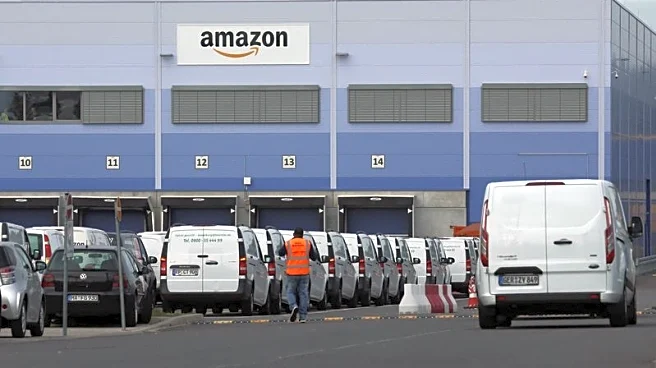
have faced significant hurdles including tariff pressures, failed major deals, and an inability to diversify beyond their initial successful products. Rad Power Bikes, once a leader in the e-bike industry, saw its revenue decline from over $100 million in 2023 to about $63 million this year. Luminar, which aimed to make lidar sensors more affordable for autonomous vehicles, struggled with market concentration and failed deals. iRobot, synonymous with robotic vacuum cleaners, faced technological advancements and a blocked acquisition deal with Amazon by the FTC, contributing to its financial woes.
Why It's Important?
The bankruptcy of these companies underscores the volatility and challenges within the hardware sector, particularly for firms heavily reliant on specific products or markets. The situation highlights the impact of global trade policies, such as tariffs, on U.S. companies' competitiveness. The blocked acquisition of iRobot by Amazon also raises questions about the role of regulatory bodies in shaping the business landscape. These developments could lead to increased scrutiny of merger and acquisition policies and their implications for domestic companies. The financial struggles of these firms may also affect their respective industries, potentially leading to reduced innovation and market consolidation.
What's Next?
The bankruptcy proceedings will likely involve restructuring efforts and potential asset sales. Stakeholders, including creditors and investors, will be closely monitoring the outcomes. The situation may prompt other companies in similar sectors to reassess their strategies, particularly regarding diversification and market expansion. Regulatory bodies might face pressure to reconsider their stance on mergers and acquisitions, especially in cases where blocked deals could lead to financial instability for U.S. companies. The broader industry may see shifts in market dynamics as competitors seek to capitalize on the void left by these companies.
Beyond the Headlines
The challenges faced by these companies also reflect broader economic and technological trends. The reliance on international supply chains and the rapid pace of technological advancement pose ongoing risks for hardware companies. Additionally, the situation highlights the importance of strategic diversification and adaptability in a rapidly changing market. The role of government policies, such as tariffs and regulatory decisions, in shaping the competitive landscape is also a critical consideration for businesses operating in this sector.