




What's Happening?
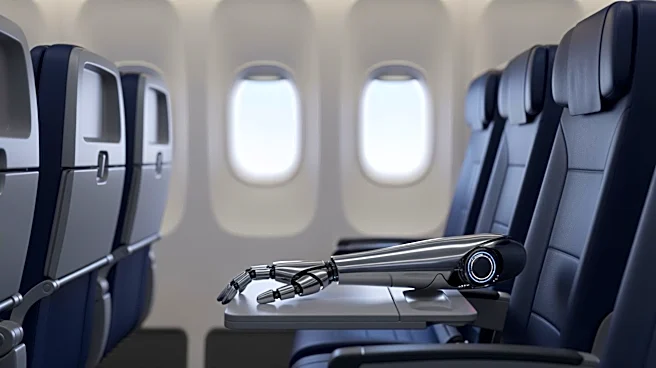
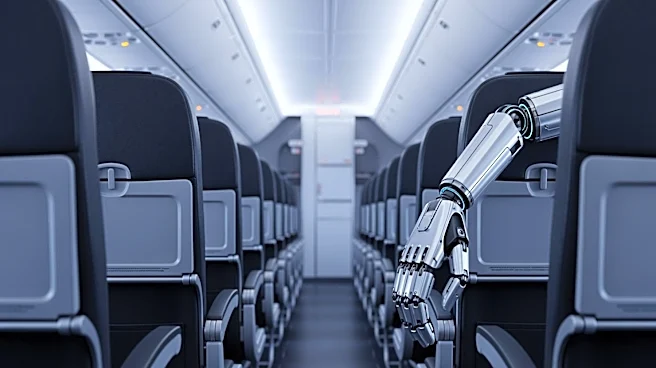
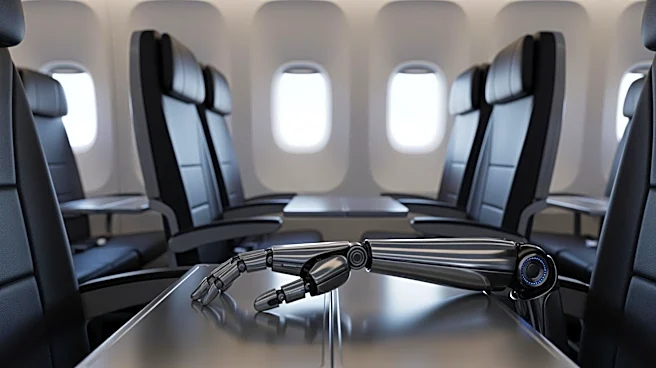
Southwest Airlines has announced a new policy banning humanoid and animal-like robots from its flights. This decision follows an incident where a humanoid robot named Stewie traveled on a flight from Las Vegas to Dallas. The airline cited safety concerns
related to lithium batteries as the primary reason for the policy change, rather than any specific incident. The policy aims to mitigate potential risks associated with the transport of robots that could pose safety hazards during flights.
Why It's Important?
The ban on humanoid and animal-like robots by Southwest Airlines highlights growing safety concerns in the aviation industry regarding the transport of advanced robotics. As technology evolves, airlines must adapt their policies to address new challenges, such as the safe handling of lithium batteries, which are known to pose fire risks. This move could influence other airlines to review and potentially update their own policies on transporting robotic devices. The decision underscores the need for the aviation industry to balance technological advancements with passenger safety.
What's Next?
Following Southwest Airlines' policy change, other airlines may evaluate their own regulations concerning the transport of robots and similar devices. The aviation industry might see increased collaboration with technology companies to develop safer battery technologies and transport protocols. Additionally, regulatory bodies could consider establishing industry-wide guidelines to ensure consistent safety standards across airlines. Stakeholders, including manufacturers of robotic devices, may need to engage with airlines to address safety concerns and facilitate the safe transport of their products.