






What's Happening?
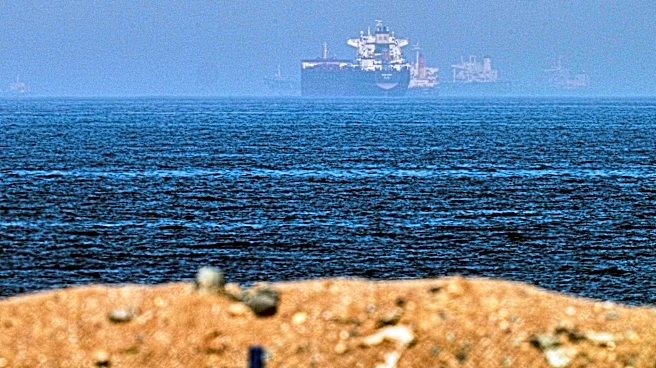
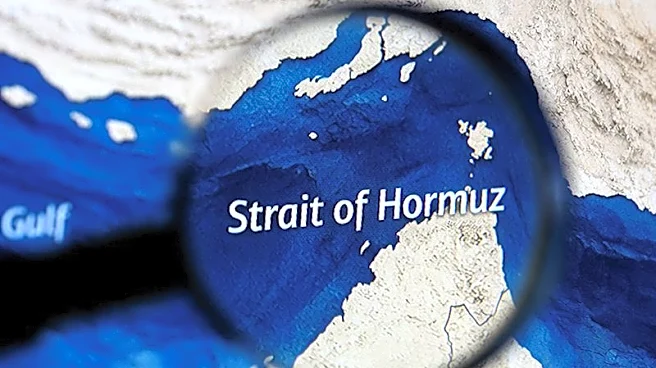
OPEC+ has agreed to a modest increase in oil production by 188,000 barrels per day starting in June. This decision comes in the wake of the ongoing blockade of the Strait of Hormuz by Iran, which has significantly disrupted oil exports from key OPEC+ members
such as Saudi Arabia, Iraq, and Kuwait. The UAE's recent departure from OPEC has further complicated the group's dynamics, as it was one of the few countries capable of increasing production. Despite the increase, the actual impact on physical supply is expected to be limited due to the current constraints on shipping through the Strait of Hormuz. The decision is seen as a symbolic gesture to signal OPEC+'s readiness to increase supply once the geopolitical situation stabilizes.
Why It's Important?
The decision by OPEC+ to increase oil production, albeit modestly, is significant in the context of global oil markets currently experiencing high prices due to supply disruptions. The closure of the Strait of Hormuz has pushed oil prices to a four-year high, exceeding $125 per barrel, which could lead to widespread jet fuel shortages and a spike in global inflation. The UAE's exit from OPEC and its plans to boost production independently highlight a shift in the global energy landscape, potentially reducing OPEC+'s influence over oil prices. This development could have far-reaching implications for global energy markets, affecting everything from fuel prices to inflation rates worldwide.
What's Next?
OPEC+ is scheduled to meet again on June 7 to reassess the situation and potentially adjust production targets. The reopening of the Strait of Hormuz remains uncertain, and even if it occurs, it may take weeks or months for oil flows to normalize. The ongoing geopolitical tensions and the UAE's independent production plans could lead to further shifts in global oil supply dynamics. Stakeholders, including oil companies and governments, will be closely monitoring these developments to adjust their strategies accordingly.