




What's Happening?
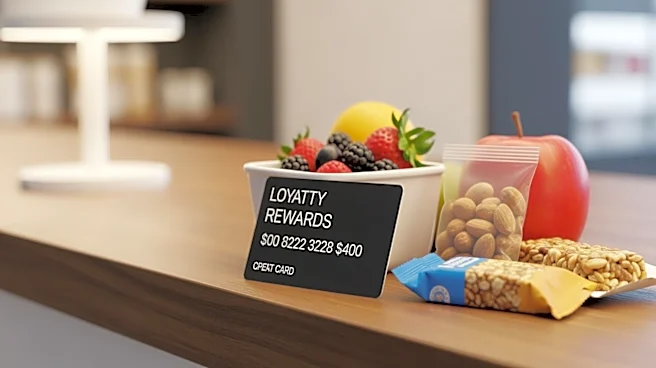
The convenience-store industry is undergoing a significant transformation, with loyalty programs playing a crucial role in converting fuel customers into food buyers. According to the 2026 Paytronix Loyalty Report, 85% of U.S. shoppers have tried made-to-order
food at convenience stores, blurring the lines between these stores and quick-service restaurants. The report highlights the opportunity for higher margins on food compared to fuel, especially as electric vehicle adoption poses challenges to fuel-dependent revenue models. Loyalty programs are identified as key mechanisms for this conversion, offering rewards such as discounts on food items for frequent fuel purchases. The report emphasizes the importance of personalized incentives to encourage customers to transition from fuel to food purchases.
Why It's Important?
This shift in the convenience-store industry reflects broader changes in consumer behavior and the retail landscape. As electric vehicles become more prevalent, convenience stores must adapt to maintain profitability. By leveraging loyalty programs to increase food sales, these stores can diversify their revenue streams and reduce reliance on fuel sales. This strategy not only enhances customer loyalty but also positions convenience stores as viable alternatives to traditional restaurants. The success of these programs could influence the future of retail, encouraging other sectors to adopt similar customer engagement strategies.
What's Next?
Convenience stores will likely continue to refine their loyalty programs, focusing on personalization and customer engagement to drive food sales. As the industry adapts to changing consumer preferences and technological advancements, stores may explore new ways to integrate digital platforms and data analytics into their loyalty strategies. The ongoing evolution of these programs will be critical in determining the long-term success of convenience stores in a rapidly changing market.