




What's Happening?
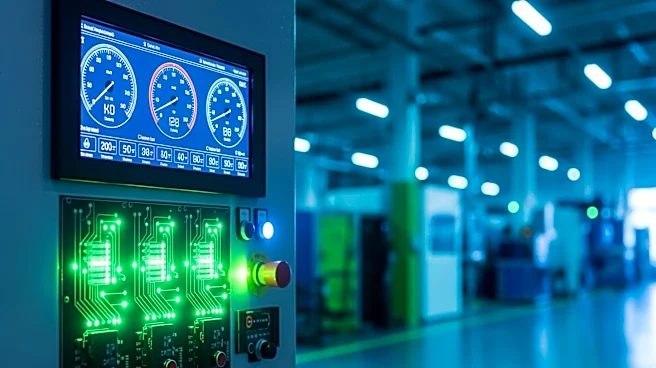
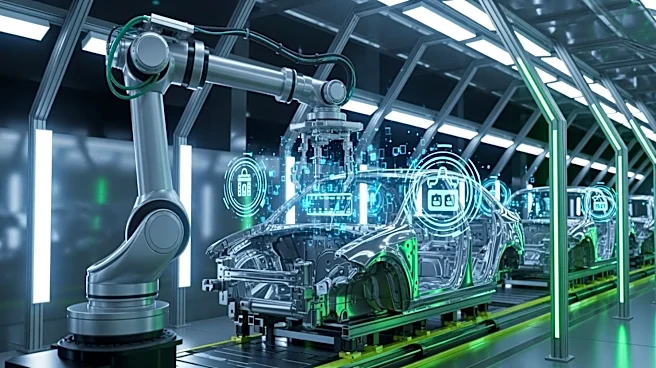
The Industrial Internet of Things (IIoT) is transforming various sectors by connecting machines, sensors, and systems to enable real-time data usage. This technology is improving efficiency, safety, and sustainability across industries through applications
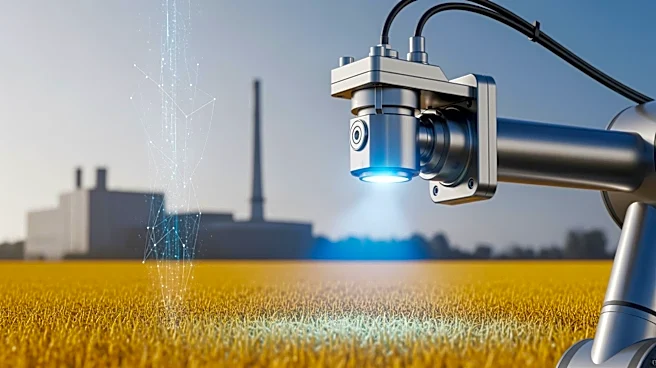
such as predictive maintenance, smart manufacturing, and logistics optimization. For instance, Siemens uses IIoT sensors in its manufacturing facilities to monitor turbines and machinery, preventing disruptions and costly repairs. Similarly, General Electric's 'Brilliant Manufacturing' system collects and analyzes data to increase efficiency and reduce waste. In agriculture, John Deere employs IIoT technology in tractors and harvesters to monitor soil health and crop production, enhancing output and supporting environmentally friendly practices.
Why It's Important?
The integration of IIoT in industries is crucial for enhancing productivity, reducing operational costs, and improving safety standards. Predictive maintenance, enabled by IIoT, extends machine lifespans and reduces maintenance costs, which is vital for industries aiming to minimize downtime and maximize efficiency. In agriculture, IIoT provides precise analytics for irrigation and fertilizer application, increasing agricultural output while promoting sustainable practices. The technology also supports energy management, helping factories reduce energy costs and meet sustainable development targets. Overall, IIoT is driving digital transformation, making industries more efficient and sustainable.
What's Next?
As IIoT continues to evolve, industries are likely to see further integration of smart technologies, leading to more automated and efficient operations. Companies may invest more in IIoT systems to enhance their competitive edge and meet sustainability goals. The ongoing development of IIoT could lead to advancements in remote monitoring and control, allowing workers to manage operations from anywhere, thus improving safety and reducing manpower requirements. Additionally, the expansion of IIoT in supply chain and logistics optimization could provide greater transparency and customer satisfaction.
Beyond the Headlines
The adoption of IIoT raises important ethical and legal considerations, particularly regarding data privacy and security. As industries become more interconnected, ensuring the protection of sensitive data becomes paramount. Moreover, the shift towards automation may impact employment, necessitating workforce retraining and adaptation to new technologies. The long-term implications of IIoT could include significant changes in industrial practices, with a focus on sustainability and efficiency, potentially reshaping the economic landscape.