



What's Happening?
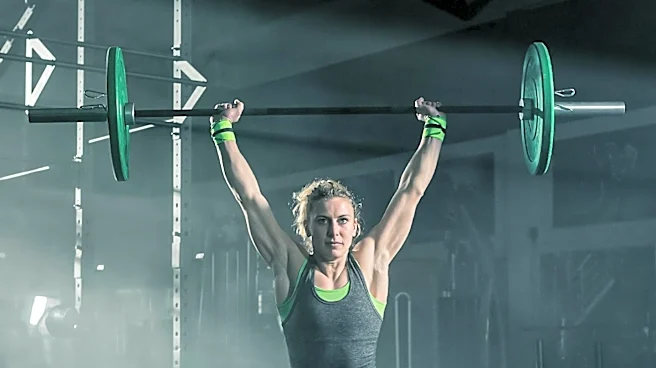
Elizabeth Smart, known for surviving a high-profile kidnapping in 2002, has taken up bodybuilding, revealing her new passion on Instagram. At 38, Smart participated in the Wasatch Warrior bodybuilding competition in Salt Lake City, marking her fourth
competition. Initially hesitant to share her bodybuilding journey due to fears of judgment and being perceived as less credible in her advocacy work, Smart overcame these concerns. She highlighted the importance of living fully and pursuing passions without regret, drawing parallels between her bodybuilding journey and the resilience required in her advocacy for survivors of trauma.
Why It's Important?
Smart's foray into bodybuilding is significant as it challenges societal perceptions of trauma survivors. By embracing a physically demanding sport, she defies stereotypes that often confine survivors to narratives of victimhood. Her public declaration serves as an empowering message to other survivors, encouraging them to pursue their interests and redefine their identities beyond their past experiences. This move could inspire broader discussions on the diverse ways individuals cope with and overcome trauma, potentially influencing public attitudes and support systems for survivors.
What's Next?
Smart's continued participation in bodybuilding may lead to increased visibility and dialogue around the intersection of physical fitness and trauma recovery. Her story could inspire other survivors to explore new avenues for healing and self-expression. Additionally, Smart's advocacy work might expand to include promoting physical fitness as a tool for empowerment and recovery, potentially influencing support programs and resources available to survivors.
Beyond the Headlines
Smart's bodybuilding journey underscores the broader cultural shift towards recognizing the multifaceted identities of trauma survivors. It highlights the importance of self-acceptance and body positivity, particularly for those who have endured significant physical and emotional challenges. This development may contribute to a more inclusive understanding of survivor narratives, emphasizing resilience and personal growth.