

What's Happening?
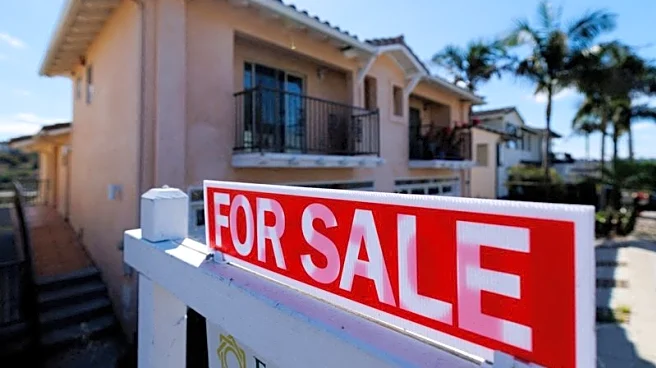
The U.S. housing market is expected to experience slower growth rather than a crash in 2026, according to forecasts from Zillow and Realtor.com. Despite elevated mortgage rates and tight inventory, experts suggest that the market will see a normalization
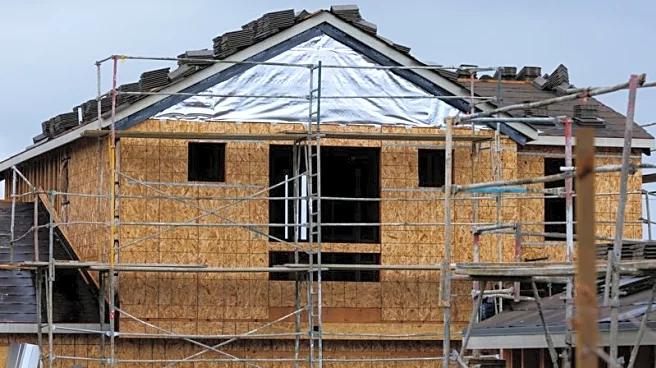
cycle rather than a collapse similar to the 2008 crisis. National home values are projected to rise modestly by 0.7% by the end of 2026, with existing home sales expected to increase by 4.4%. Easing mortgage rates and an increase in new listings are helping to balance supply and demand, although affordability remains a challenge in many regions.
Why It's Important?
The state of the housing market has significant financial implications for millions of Americans. Many potential buyers are waiting for a price drop to make homeownership more affordable. However, experts warn that waiting for a dramatic collapse could result in missed opportunities to build equity, as prices are expected to rise modestly. The market's stability is attributed to stricter lending standards and persistent supply shortages, which differ from the conditions leading to the 2008 crash. This stability is crucial for maintaining consumer confidence and preventing economic disruptions.
What's Next?
The housing market is likely to continue its slow growth trajectory, with some regions experiencing more activity due to falling mortgage rates. Buyers and sellers may need to adjust their expectations as the market stabilizes. Policymakers and industry stakeholders will need to address ongoing affordability issues and monitor economic indicators that could impact the market. The potential for regional variations in market conditions suggests that localized strategies may be necessary to address specific challenges.