





What's Happening?
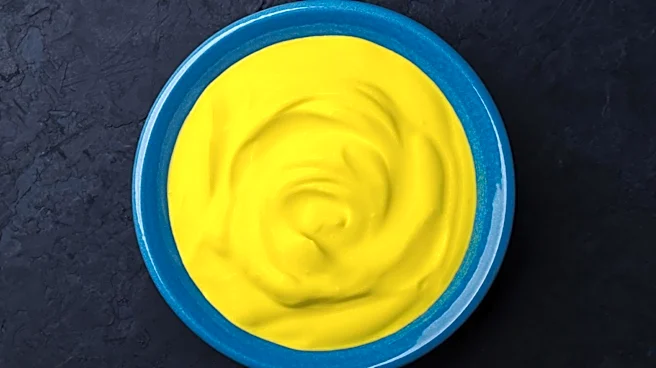
Elsa Thora, a 24-year-old Swedish World Cup fan, has developed a strong affinity for ranch dressing during her first visit to the United States. Arriving in Indiana on June 8, Thora quickly became enamored with the condiment, describing it as 'crack'
and expressing her intent to either order it online or make it herself due to its absence in Sweden. Her journey across the U.S. has been marked by a fascination with American culture, including the friendliness of people, iconic school buses, and the existence of Amish communities. Thora's travels will continue to Dallas for Sweden's match against Japan and then to New York City for the England vs. Panama game, culminating in the Fourth of July celebrations.
Why It's Important?
Thora's experience underscores the cultural exchange and fascination that international visitors often experience in the U.S. Her newfound love for ranch dressing and other American cultural elements highlights the unique aspects of American life that can captivate foreign visitors. This phenomenon can enhance cultural understanding and appreciation, potentially boosting tourism as visitors share their positive experiences. Additionally, Thora's story reflects the broader impact of global events like the World Cup in fostering cross-cultural interactions and promoting the U.S. as a diverse and welcoming destination.
What's Next?
As Thora continues her tour, her experiences may inspire other international visitors to explore American culture and cuisine. Her journey could also encourage U.S. businesses, particularly in the food and hospitality sectors, to cater to the tastes and interests of international tourists. The upcoming Fourth of July celebrations present an opportunity for Thora and other visitors to engage with American traditions, potentially leading to further cultural exchanges and positive international perceptions of the U.S.
Beyond the Headlines
Thora's story highlights the potential for cultural diplomacy through everyday experiences and interactions. Her fascination with American friendliness and cultural elements like ranch dressing can serve as a reminder of the soft power that cultural exports and hospitality can wield. This soft power can play a role in shaping international perceptions and fostering goodwill, which may have long-term benefits for U.S. tourism and international relations.