






What's Happening?
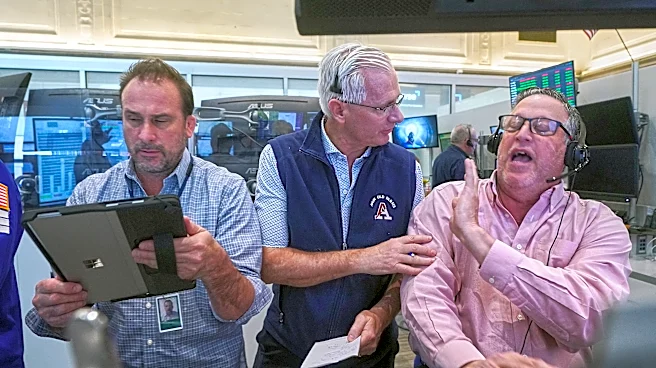
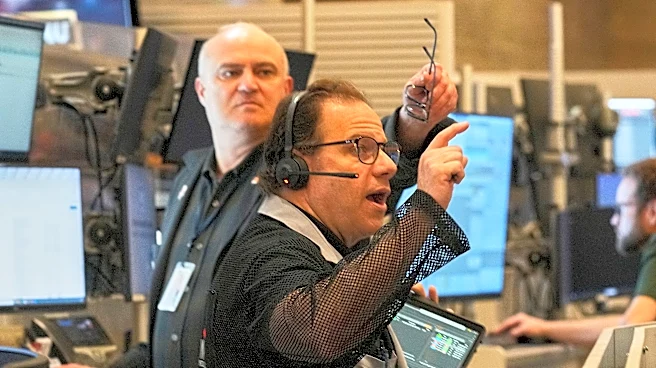
Wall Street futures experienced fluctuations on Monday due to conflicting reports about a U.S. warship near the Strait of Hormuz, which heightened investor anxiety over the ongoing Middle East conflict. Initially, futures dropped following a report from
Iran's Fars news agency claiming that two missiles had hit a U.S. warship. However, losses were later trimmed after a senior U.S. official denied the attack. This incident underscores the sensitivity of investors to geopolitical risks, despite strong quarterly earnings from corporate America. The U.S.-Iran conflict, now in its third month, continues to impact the global economy, with oil prices rising 3.7% to over $110 a barrel. The Dow E-minis fell 189 points, S&P 500 E-minis were down 6.5 points, and Nasdaq 100 E-minis lost 5.25 points.
Why It's Important?
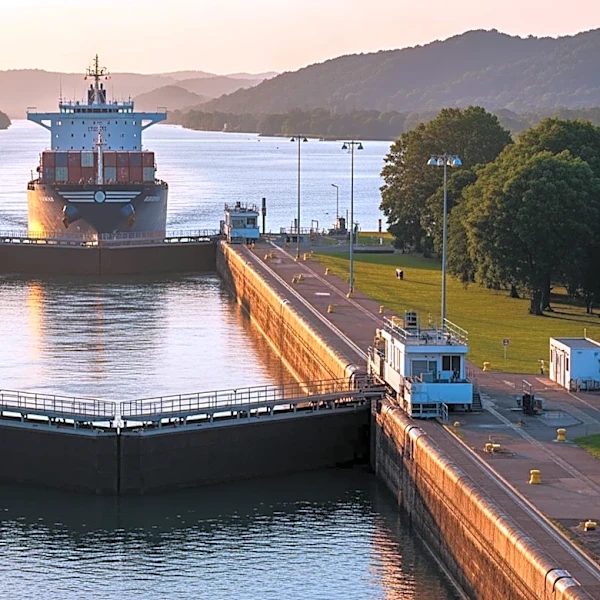
The ongoing U.S.-Iran tensions are a significant concern for global markets, as they contribute to volatility and uncertainty. Elevated oil prices due to the conflict can lead to increased costs for businesses and consumers, potentially slowing economic growth. The situation also affects investor confidence, as seen in the fluctuating futures market. Companies like FedEx and UPS saw their shares fall after Amazon announced its new logistics service, highlighting the competitive pressures in the logistics sector. The broader market impact is compounded by geopolitical risks, which can overshadow positive earnings reports and economic indicators.
What's Next?
Investors and market analysts will continue to monitor developments in the U.S.-Iran conflict closely, as any escalation could further impact oil prices and market stability. Companies may need to adjust their strategies to mitigate risks associated with geopolitical tensions. Additionally, the introduction of Amazon's logistics service could lead to increased competition in the sector, prompting other logistics firms to innovate and adapt. Policymakers may also face pressure to address the economic implications of the conflict, potentially influencing future diplomatic and economic strategies.