







What's Happening?
This week, key economic reports are set to be released, which will provide insights into inflation and interest rates, affecting consumer finances. The Consumer Price Index (CPI) for May 2026 is scheduled for release on June 10, followed by the Producer
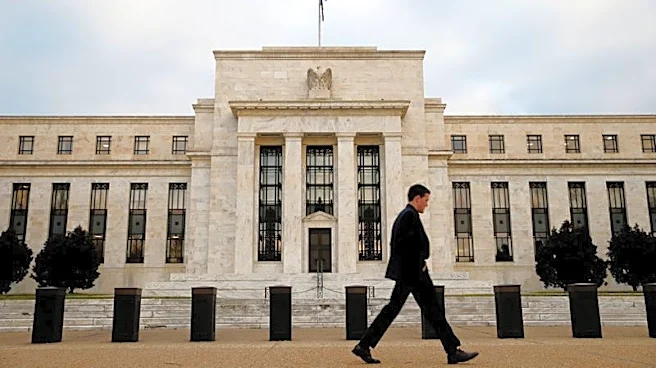
Price Index (PPI) on June 11, and a consumer sentiment survey on June 12. These reports will indicate whether prices for essentials like groceries, gas, and rent are rising faster than expected, which could mean that consumers' paychecks may not stretch as far. The Federal Reserve is closely monitoring these indicators to decide on future interest rate cuts, which influence credit card rates, car loans, and mortgage rates.
Why It's Important?
The release of these economic indicators is crucial as they directly affect consumer spending and borrowing costs. If the CPI shows higher-than-expected price increases, it suggests that inflation remains a concern, potentially delaying any reduction in interest rates by the Federal Reserve. This would mean continued high costs for borrowing, impacting consumers' ability to manage debt and savings. Conversely, if the reports indicate a slowdown in price increases, it could lead to a more favorable economic environment with potential interest rate cuts, providing relief on loans and encouraging consumer spending.
What's Next?
Following the release of these reports, the Federal Reserve will assess the data to determine the appropriate monetary policy actions. If inflation appears to be cooling, the Fed may consider cutting interest rates later in the year, which would lower borrowing costs and potentially stimulate economic activity. However, if inflation remains high, the Fed might maintain or even increase interest rates to curb spending and control price rises. Consumers and businesses will need to adjust their financial strategies based on these developments, focusing on managing expenses and debt.