
What's Happening?
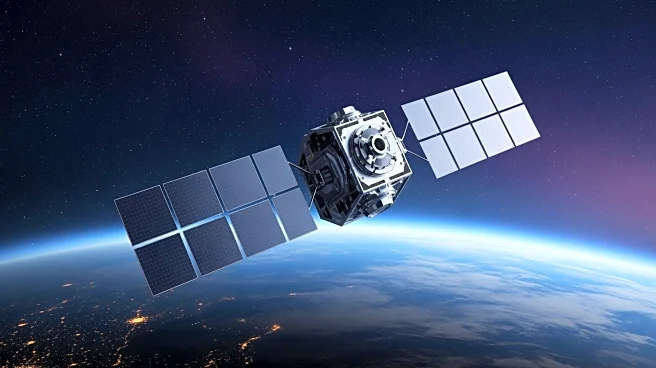
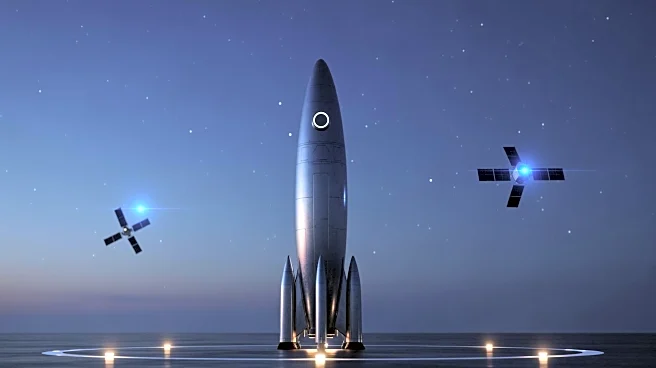
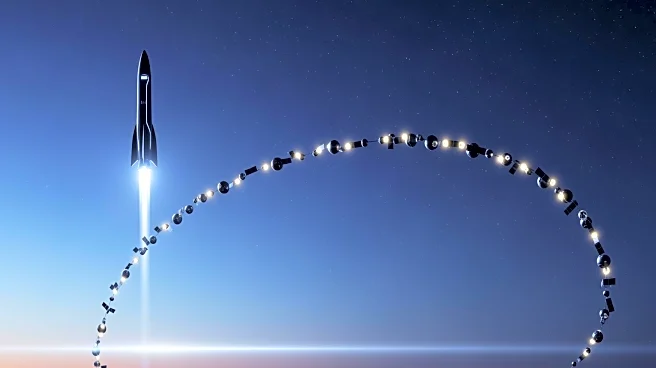
SpaceX successfully launched a Falcon 9 rocket from Cape Canaveral Space Force Station on Sunday, March 22, 2026. The launch, which took place during a four-hour window, was part of the Starlink 10-62 mission. The rocket carried 29 Starlink broadband
satellites into low-Earth orbit. The weather conditions were favorable, with the Space Force's 45th Weather Squadron reporting a greater than 95% chance of 'go for launch' weather. The Falcon 9's first-stage booster was set to land on the SpaceX drone ship 'A Shortfall of Gravitas' in the Atlantic Ocean, marking its 27th flight.
Why It's Important?
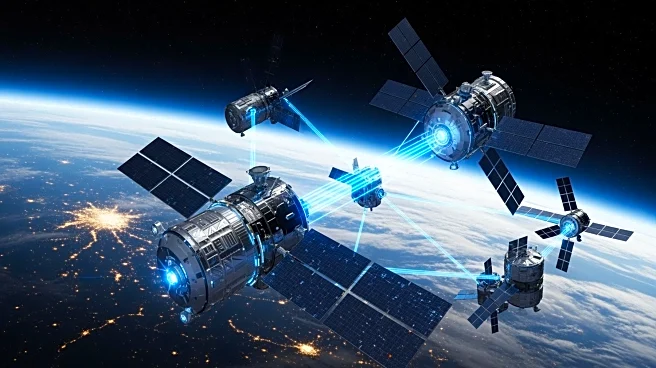
The successful deployment of 29 Starlink satellites is a significant step in SpaceX's mission to provide global broadband internet coverage. This launch contributes to the growing constellation of Starlink satellites, which aims to offer high-speed internet access to underserved and remote areas worldwide. The mission also highlights SpaceX's continued innovation in reusable rocket technology, as demonstrated by the Falcon 9's first-stage booster landing. This capability reduces costs and increases the frequency of launches, potentially transforming the satellite internet industry and enhancing global connectivity.
What's Next?
Following the successful launch and deployment, SpaceX will continue to monitor the performance of the newly added satellites as they integrate into the existing Starlink network. The company plans to conduct more launches to expand the satellite constellation further. As the network grows, SpaceX aims to improve internet service quality and coverage, particularly in remote and rural areas. The success of this mission may also influence future collaborations and contracts with governments and private entities seeking reliable satellite internet solutions.