
What's Happening?
U.S. crude oil exports have surged to a record 5.2 million barrels per day in April, as reported by commodities data firm Kpler. This increase is largely attributed to the ongoing conflict in Iran, which
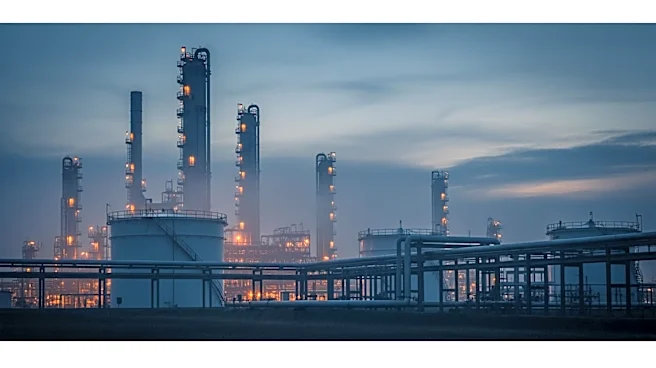
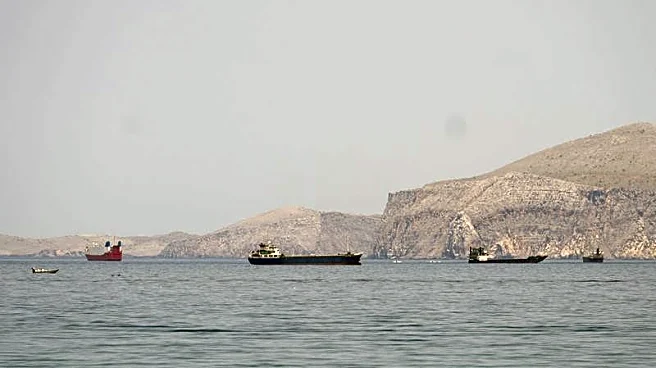
has disrupted Middle Eastern oil supplies. The Port of Corpus Christi in Texas, a major oil export terminal, has experienced unprecedented activity, becoming the busiest it has ever been. The port, previously the third-largest oil export terminal globally, has seen a significant rise in tanker traffic, with over 240 vessels in March alone. This surge in exports is driven by increased demand from Asian buyers seeking alternatives to Middle Eastern oil, as the Strait of Hormuz remains blocked by Iran.
Why It's Important?
The surge in U.S. crude oil exports highlights the shifting dynamics in global oil markets, particularly as geopolitical tensions in the Middle East disrupt traditional supply routes. This development underscores the strategic importance of U.S. oil infrastructure, such as the Port of Corpus Christi, in maintaining global energy stability. The increased exports not only bolster the U.S. economy but also enhance its geopolitical influence by providing alternative energy sources to countries affected by the Middle Eastern supply disruptions. This shift could lead to long-term changes in global oil trade patterns, with the U.S. playing a more central role.
What's Next?
As the conflict in Iran continues, it is likely that U.S. oil exports will remain elevated, potentially leading to further investments in export infrastructure to accommodate increased demand. The situation may prompt other countries to reassess their energy dependencies and explore more stable supply chains. Additionally, the U.S. government and oil companies might face pressure to balance domestic energy needs with international export opportunities, especially if global tensions persist.