






What's Happening?
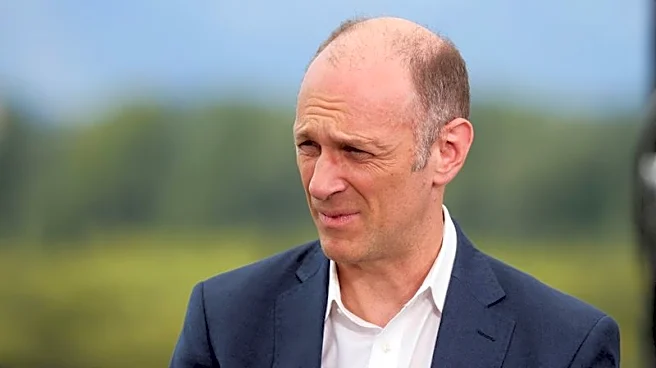
Gary Shilling, a renowned economist known for accurately predicting the 1969-70 recession, has issued a warning about a potential economic downturn in the United States by the end of 2026. In a recent interview, Shilling highlighted several factors contributing
to this forecast, including a stagnant housing market, declining corporate investments, and a weakening consumer base. He noted that the current stock market is overvalued and could face a significant correction. Shilling also pointed out a 'collapse' in capital expenditures, with growth in this area slowing significantly compared to the pandemic peak. Additionally, he expressed concerns about the Federal Reserve's inflation gauge, which remains high, indicating persistent inflationary pressures.
Why It's Important?
The potential recession forecasted by Shilling could have widespread implications for the U.S. economy. A downturn could lead to increased unemployment, reduced consumer spending, and a decline in business investments. The housing market's stagnation and rising foreclosures could exacerbate financial strain on homeowners. If Shilling's predictions hold true, it could prompt policymakers to consider fiscal stimulus measures to mitigate the impact. However, Shilling expressed skepticism about the likelihood of such interventions. The broader economic uncertainty could also affect investor confidence, leading to volatility in financial markets.
What's Next?
If the economic conditions outlined by Shilling continue to deteriorate, it may prompt the Federal Reserve to reconsider its monetary policy stance. Potential rate cuts or other measures could be on the table to stimulate economic activity. Additionally, businesses and consumers may need to brace for tighter financial conditions and adjust their spending and investment strategies accordingly. Policymakers might also explore targeted fiscal policies to support vulnerable sectors and populations.