
What's Happening?
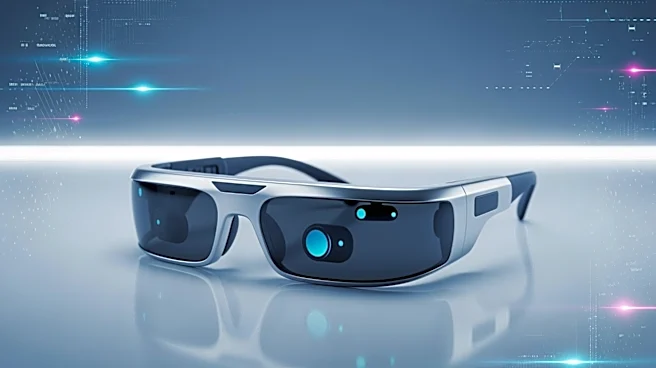
Meta has announced the launch of two new Ray-Ban prescription smart glasses, set to be available on April 14, 2026. This announcement has sparked a significant debate over privacy concerns, as the glasses integrate
AI technology that could potentially turn prescription lenses into data points. The CEO of Meta, Mark Zuckerberg, had previously likened smart glasses to smartphones, suggesting a future where AI-powered glasses become commonplace. This has led to a polarized reaction, with privacy advocates expressing alarm over potential surveillance and data collection, while investors and tech enthusiasts see a promising market opportunity. The global shipments of smart glasses reached 9.6 million units last year, with a forecast of 13.4 million units in 2026, indicating a growing market for these devices.
Why It's Important?
The introduction of AI-powered smart glasses by Meta represents a significant shift in the wearable technology market, with potential implications for privacy and data security. As these devices become more integrated into daily life, they raise concerns about the normalization of surveillance and biometric data collection. This development could lead to increased scrutiny from regulators and civil liberties groups, who are concerned about the implications for personal privacy. On the other hand, the market for smart glasses presents a lucrative opportunity for tech companies, with Meta holding a dominant 76.1% market share. The debate over these glasses highlights the tension between technological innovation and privacy rights, a key issue as AI continues to advance.
What's Next?
As Meta's smart glasses enter the market, there will likely be increased regulatory scrutiny and potential legislative action to address privacy concerns. Consumers may face a choice between embracing the convenience of AI-enhanced eyewear and waiting for clearer privacy safeguards. The success of these glasses could prompt other tech companies to accelerate their own smart glasses initiatives, leading to more competition and innovation in the market. Additionally, the response from privacy advocates and regulators will be crucial in shaping the future landscape of wearable technology and its impact on personal privacy.