




What's Happening?
The FIA has reached an agreement in principle on several proposals aimed at introducing evolutionary changes to the 2026 Formula 1 regulations. This decision was made during an online meeting attended by Team Principals, Formula 1 Management, and representatives
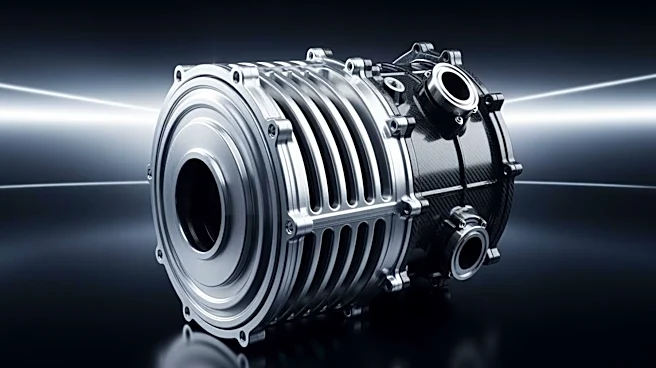
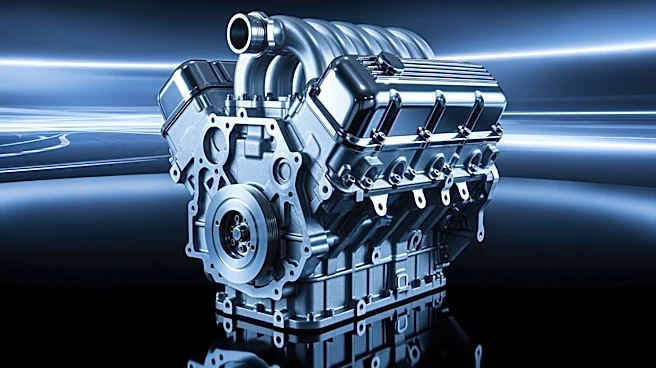
from the sport's five Power Unit Manufacturers. The meeting reviewed recent rule changes implemented at the Miami Grand Prix, which were designed to improve safety and reduce excessive energy harvesting. These changes were deemed successful in enhancing competition. The FIA plans to continue evaluating these measures and consider further adjustments, particularly focusing on start-safety and wet condition safety improvements. Additionally, the meeting agreed on potential changes for 2027, including a nominal increase in Internal Combustion Engine power and a reduction in Energy Recovery System deployment power. These proposals will undergo further discussion in technical groups before being finalized.
Why It's Important?
The proposed changes to the Formula 1 regulations are significant as they aim to enhance the safety and competitiveness of the sport. By increasing the power of the Internal Combustion Engine and adjusting the Energy Recovery System, the FIA seeks to create a more balanced and fair competition environment. These changes could lead to more exciting races and potentially attract a larger audience. Moreover, the focus on safety, particularly in start and wet conditions, underscores the FIA's commitment to protecting drivers and ensuring the sport's integrity. The involvement of multiple stakeholders, including team principals and power unit manufacturers, highlights the collaborative effort to refine the regulations, which could lead to more innovative and sustainable racing technologies.
What's Next?
The next steps involve further detailed discussions among technical groups comprising teams and Power Unit Manufacturers to refine the proposed regulatory changes. Once these discussions are complete, the refined proposals will be presented for a World Motor Sport Council e-vote. This process ensures that all stakeholders have a say in the final decision, promoting transparency and inclusivity in the regulatory process. The outcome of these discussions and the subsequent vote will determine the final shape of the 2026 regulations, potentially setting a new standard for safety and competition in Formula 1.