






What's Happening?
In May 2026, the U.S. consumer price index rose to an annual rate of 4.2%, driven by significant increases in energy costs due to the ongoing Iran conflict. This marks the highest inflation rate since April 2023. Energy prices accounted for over 60% of the monthly
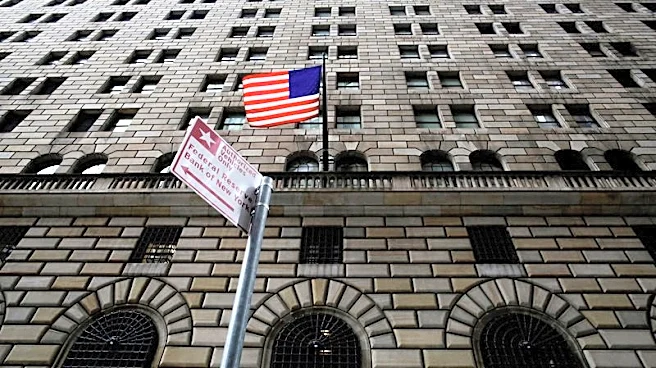
increase, with gasoline and other energy-related costs rising sharply. The Federal Reserve, under new Chair Kevin Warsh, faces a challenging decision on interest rates as it seeks to balance inflation control with economic growth.
Why It's Important?
The rise in inflation poses a significant challenge for the Federal Reserve, which aims to maintain economic stability while addressing the inflationary pressures. The increase in energy costs has a broad impact on various sectors, affecting consumer prices and economic growth. The geopolitical tensions in the Middle East continue to influence energy prices, with potential long-term implications for global supply chains and economic policies. The Federal Reserve's response to these developments will be critical in managing inflation and supporting economic recovery.
What's Next?
The Federal Reserve is expected to meet next week to discuss interest rate policies, with the inflation data likely influencing their decision-making process. While the Fed has maintained rates since last year, the persistent rise in inflation may prompt a reevaluation of this stance. The geopolitical situation in the Middle East remains a critical factor, with potential implications for energy prices and global economic stability. The administration will need to address public concerns over affordability and cost of living, particularly in the context of the upcoming elections.