



What's Happening?
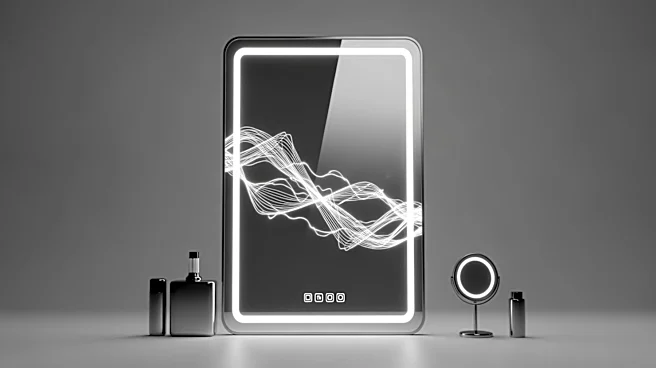
Dermatologists are emphasizing the importance of cleaning LED face masks after each use to prevent skin infections and maintain the effectiveness of the devices. According to Dr. Kseniya Kobets, a dermatologist, neglecting to clean these devices can lead
to skin infections, acne, clogged pores, and other skin issues, especially for individuals with compromised skin barriers such as those with acne or rosacea. The cleaning process involves powering down and unplugging the device, and if approved by the manufacturer, using alcohol wipes to sanitize the surface. This step is crucial as any residue from makeup or moisturizers can hinder the LED light's effectiveness. Dr. Kobets advises against using harsh cleaners like bleach, which can degrade the device material and cause skin irritation.
Why It's Important?
The proper maintenance of LED face masks is crucial for users who rely on these devices for skin treatments such as anti-aging and acne reduction. By ensuring the devices are clean, users can prevent the spread of bacteria and yeast that can exacerbate skin conditions. This practice not only preserves the device's functionality but also enhances the user's skin health by allowing the LED light to penetrate effectively. The advice from dermatologists highlights a broader awareness of skincare hygiene, which is essential for the growing number of consumers investing in at-home beauty technology.
What's Next?
Users of LED face masks are encouraged to incorporate regular cleaning into their skincare routines to maximize the benefits of their devices. As awareness grows, manufacturers may also begin to provide more detailed cleaning instructions and possibly develop more user-friendly cleaning solutions. Dermatologists and skincare professionals might continue to educate the public on the importance of device hygiene, potentially influencing future product designs to include easier cleaning features.
Beyond the Headlines
This focus on device hygiene reflects a larger trend in the beauty industry towards ensuring consumer safety and product efficacy. As more individuals turn to at-home beauty treatments, the need for proper maintenance and hygiene becomes increasingly important. This development could lead to innovations in device design and materials that are more resistant to bacteria and easier to clean, ultimately enhancing user experience and satisfaction.