





What's Happening?
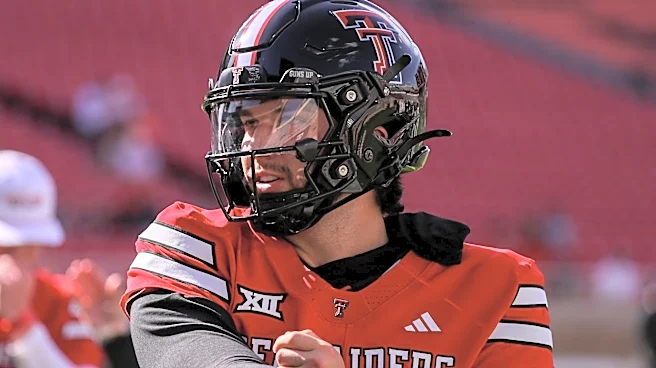
The Big Ten Conference is reportedly considering a league-wide mandate to avoid scheduling games against Texas Tech in any sport. This development follows a recent court ruling in the Brendan Sorsby case, which has sparked significant controversy. The ruling,
which was anticipated by some, has led to widespread debate about its implications for college sports. The decision restored Sorsby's eligibility to play football, a move that has been met with mixed reactions from various stakeholders in the sports community. Kansas State Athletic Director Gene Taylor publicly criticized the ruling, calling it 'fucking bullshit.' The case has drawn attention to the broader issues of NCAA regulations and the potential for a Congressional antitrust exemption.
Why It's Important?
The potential decision by the Big Ten to avoid playing Texas Tech could have significant implications for college sports scheduling and conference relations. It highlights the ongoing tensions between NCAA regulations and individual state rulings, which can lead to inconsistencies in how eligibility and other issues are handled. The controversy also underscores the growing calls for reform within the NCAA, particularly regarding athlete rights and eligibility. If the Big Ten proceeds with the mandate, it could set a precedent for other conferences to take similar actions, potentially leading to a fragmented college sports landscape. This situation also raises questions about the influence of legal decisions on sports governance and the role of public opinion in shaping policy.
What's Next?
The Big Ten is expected to discuss the potential mandate in the coming days. The outcome of these discussions could influence how other conferences respond to similar situations in the future. Stakeholders, including athletic directors and coaches, may continue to voice their opinions, potentially influencing the decision-making process. Additionally, the NCAA may face increased pressure to address the underlying issues highlighted by the Sorsby case, such as athlete eligibility and the need for a consistent regulatory framework. The situation could also prompt further legal challenges or legislative action aimed at clarifying the relationship between state rulings and NCAA policies.
Beyond the Headlines
The Sorsby ruling and the Big Ten's potential response highlight deeper issues within college sports, including the balance of power between conferences, schools, and the NCAA. The case also raises ethical questions about the fairness of eligibility rules and the impact of legal decisions on athletes' careers. As the debate continues, there may be increased scrutiny on how decisions are made and who benefits from them. This situation could lead to long-term changes in how college sports are governed, with potential implications for athlete rights and the future of amateurism in sports.