

What's Happening?
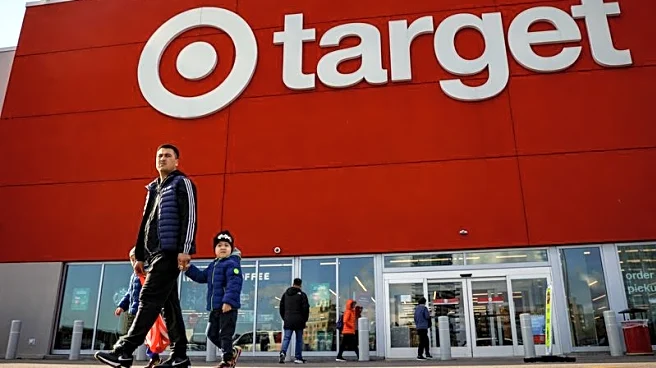
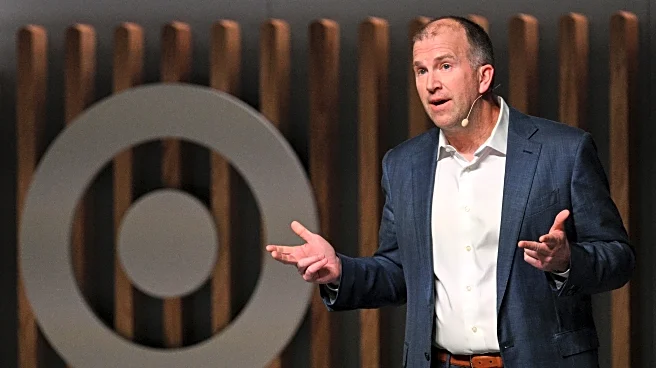
Target has unveiled a strategic plan to open approximately 30 new stores and remodel over 130 existing locations by 2026. This initiative is part of a broader effort to accelerate growth under the leadership of new CEO Michael Fiddelke, who assumed the role
on February 1. The company plans to increase its capital spending to about $5 billion in 2026, which is over $1 billion more than the previous year. This budget will support the new store openings and comprehensive remodels. Additionally, Target will invest $1 billion in operating expenses to enhance store payroll, training, and customer experience through updated floor plans, displays, and new technology, including artificial intelligence. The retailer aims to open its 2,000th store in Fuquay-Varina, North Carolina, later in March 2026.
Why It's Important?
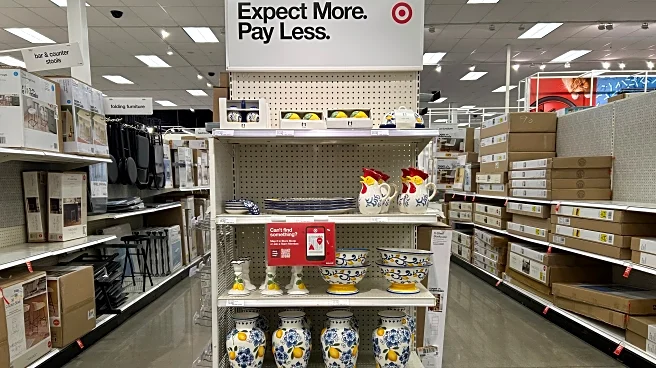
Target's expansion and remodeling plans signify a significant investment in its physical retail presence, which is crucial in a competitive retail market. By enhancing customer experience and expanding its product offerings, Target aims to strengthen its market position and drive customer loyalty. The focus on key product areas such as Home, Beauty, Baby, Food and Beverages, and Health and Wellness aligns with consumer trends and could lead to increased sales and market share. The investment in technology and store operations is expected to improve efficiency and customer satisfaction, potentially leading to higher profitability. This strategic move could also create numerous jobs, contributing positively to the economy.
What's Next?
Target plans to continue its growth trajectory by opening 300 new stores by 2035. The company will also focus on expanding its product lines and services, such as the Target Beauty Studio and a premium baby boutique. Enhancements to the Target Circle loyalty program and the expansion of its retail advertising business, Roundel, are expected to deepen customer engagement. Target's commitment to improving its delivery services, including next-day delivery to 20 new metropolitan areas, will likely enhance its competitive edge in the retail sector.