
What's Happening?
Lexus has launched the eighth-generation ES in the United States, featuring both hybrid and battery-electric variants. The new lineup includes the ES 350h hybrid, as well as the brand's first battery-electric models,
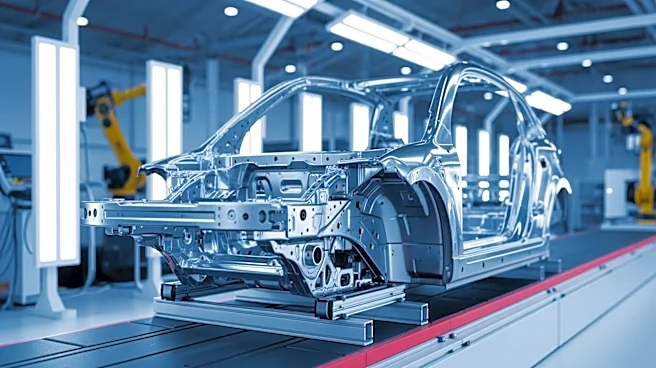
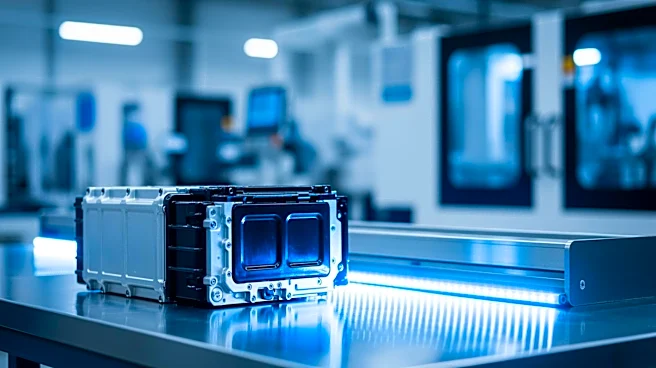
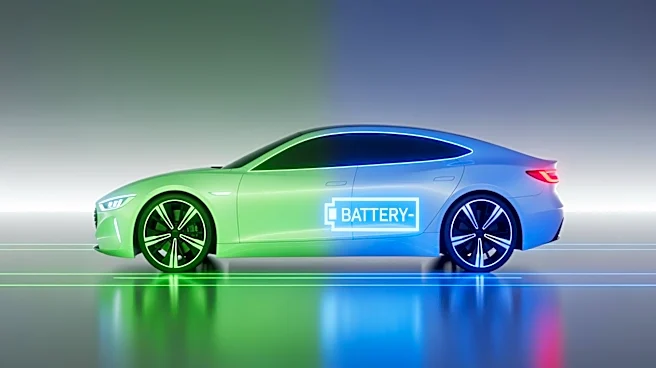
the ES 350e and ES 500e. These vehicles are built on a new multi-pathway platform that supports both internal combustion and battery-electric powertrains. The ES 350h hybrid combines a 2.5-liter four-cylinder engine with electric motors, offering a combined output of 244 horsepower. The battery-electric models utilize a 74.7 kWh lithium-ion battery pack, with options for front-wheel and all-wheel drive. The new ES models also come equipped with advanced technology features, including a 14-inch touchscreen and the latest Lexus Safety System+ 4.0.
Why It's Important?
The introduction of hybrid and battery-electric variants in the Lexus ES range reflects the automotive industry's shift towards electrification. By offering a diverse lineup that includes both hybrid and fully electric options, Lexus is catering to a broader range of consumer preferences and regulatory requirements. This move aligns with the growing demand for environmentally friendly vehicles and positions Lexus to compete in the expanding market for electric vehicles. The new platform's ability to support multiple powertrains also demonstrates Lexus's commitment to flexibility and innovation in vehicle design, which could influence future models and industry trends.
What's Next?
Lexus plans to begin deliveries of the new ES models to U.S. dealers in June 2026. As the market for electric vehicles continues to grow, Lexus may expand its lineup with additional electrified models and further develop its multi-pathway platform. The success of the new ES range could encourage other automakers to adopt similar strategies, focusing on flexibility and consumer choice in powertrain options. Additionally, advancements in battery technology and infrastructure will be crucial for supporting the widespread adoption of electric vehicles and achieving sustainability goals.