
What's Happening?
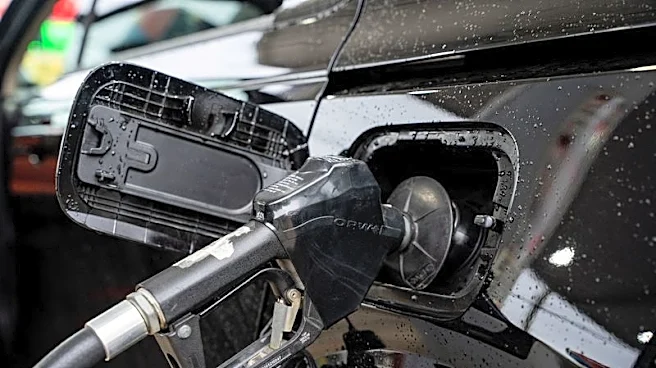
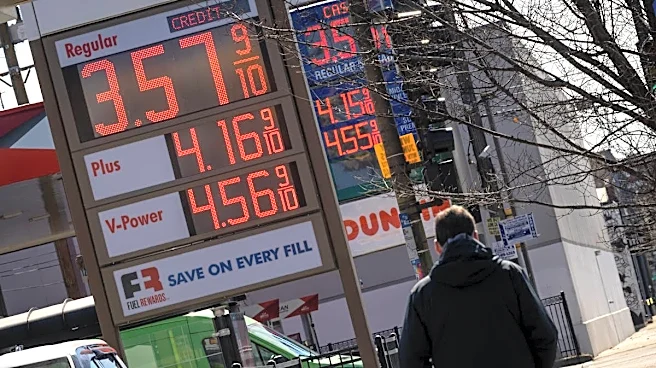
In May, U.S. consumer prices rose at an annual rate of 4.2%, marking the highest inflation level in over three years. This increase is primarily attributed to soaring energy prices, as reported by the Bureau
of Labor Statistics. The inflationary trend has been consistent over the past few months, with energy costs being a significant driver. The rise in consumer prices is affecting various sectors, including transportation and utilities, with airline fares and electricity prices seeing notable increases. The inflation data highlights the ongoing economic challenges faced by American consumers, as they grapple with higher living costs.
Why It's Important?
The persistent rise in consumer prices is a critical issue for the U.S. economy, impacting both households and businesses. As inflation outpaces wage growth, many Americans are experiencing financial strain, leading to changes in spending habits and increased reliance on savings. The situation poses a challenge for policymakers, particularly the Federal Reserve, which must balance inflation control with economic growth. The inflationary pressures also have political implications, as they could influence voter sentiment ahead of upcoming elections. Businesses are adjusting their pricing strategies in response to the changing economic landscape, which could have long-term effects on consumer behavior and market dynamics.