


What's Happening?
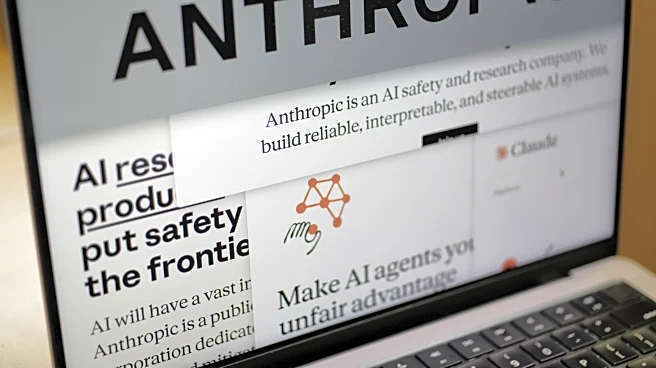
OpenAI is experiencing internal unrest following its decision to enter into a contract with the Pentagon to use its AI models in classified systems. This development comes after Anthropic, another AI company, rejected a similar contract due to concerns
over the use of AI in mass surveillance and autonomous weapons, leading to its designation as a 'supply chain risk' by the Pentagon. OpenAI's CEO, Sam Altman, has faced criticism from employees who respect Anthropic's stance and are frustrated with how OpenAI handled the negotiations. Altman has publicly acknowledged the complexity of the issues and the need for clear communication, admitting that the deal was rushed. Despite the internal discord, Altman believes that OpenAI's safety standards will encourage government collaboration, even if it means imposing certain limits.
Why It's Important?
The situation highlights the ongoing tension between AI companies and government entities over the ethical use of AI technologies. OpenAI's decision to proceed with the Pentagon contract, despite internal and external criticism, underscores the challenges in balancing national security interests with ethical considerations in AI deployment. The controversy also reflects broader industry concerns about the role of AI in surveillance and military applications. The outcome of this situation could influence future government contracts with AI companies and set precedents for how ethical guidelines are integrated into such agreements. The internal dissent at OpenAI may also impact its reputation and employee morale, potentially affecting its ability to attract and retain talent.
What's Next?
OpenAI may need to address employee concerns more thoroughly to prevent further unrest and maintain its workforce's trust. The company might also face increased scrutiny from the public and other stakeholders regarding its ethical standards and decision-making processes. As the U.S. government continues to engage with AI companies, it may need to establish clearer guidelines and frameworks to ensure that ethical considerations are adequately addressed in contracts involving sensitive technologies. The situation could prompt other AI companies to reevaluate their own policies and approaches to government contracts, potentially leading to industry-wide changes in how AI is deployed in national security contexts.