




What's Happening?
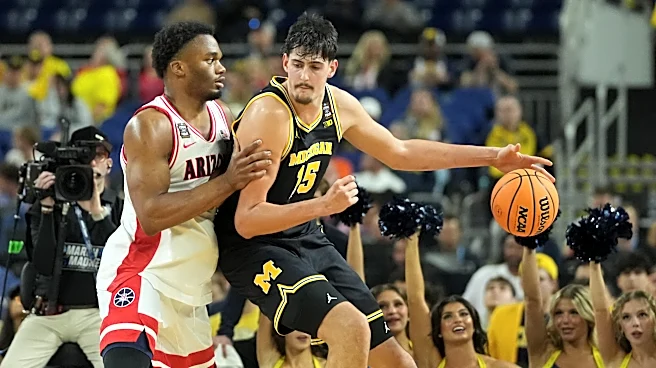
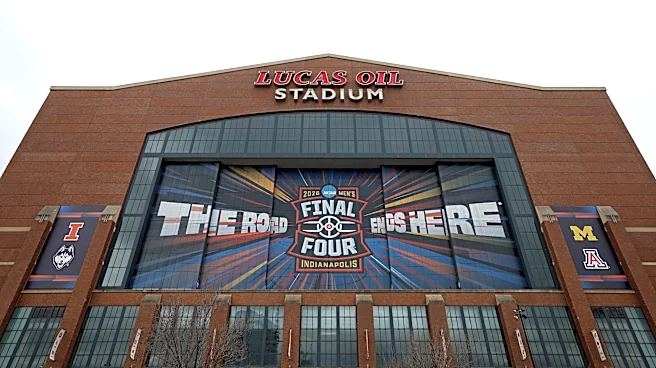
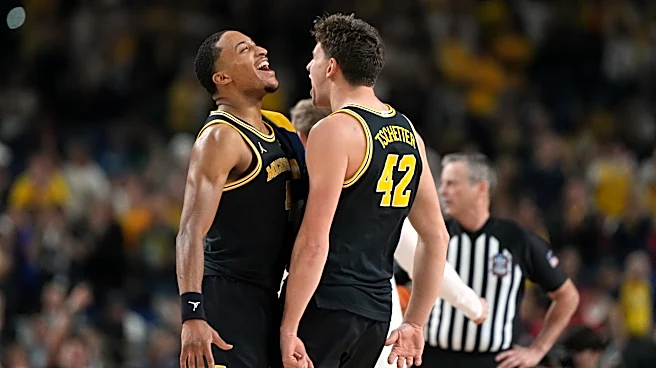
The Michigan Wolverines basketball team is facing scrutiny for its reliance on a transfer-heavy roster as they prepare to face the UConn Huskies in the national championship game. Michigan's starting lineup consists entirely of players who transferred
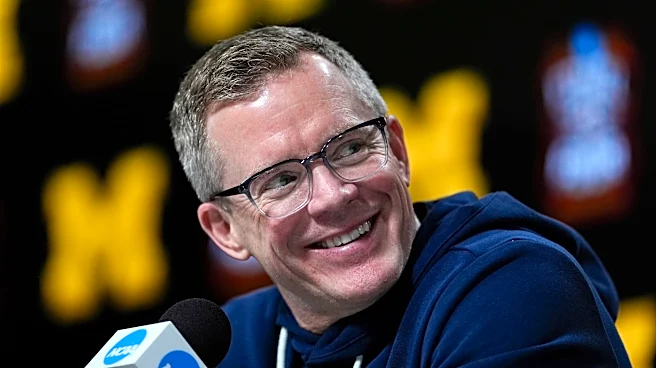
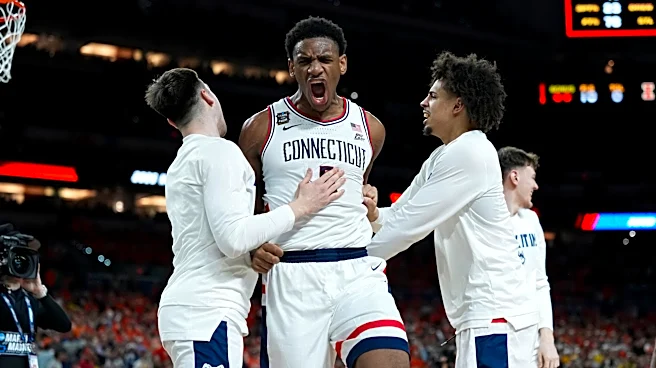
from other schools, including Elliot Cadeau from North Carolina, Nimari Burnett from Texas Tech and Alabama, Aday Mara from UCLA, Morez Johnson Jr. from Illinois, and Yaxel Lendeborg from UAB. This approach has sparked debate among fans and critics who question the ethics of building a team primarily through transfers. Despite the controversy, Michigan has had a successful season under coach Dusty May and is one win away from a dominant March Madness run. Meanwhile, UConn, led by coach Dan Hurley, aims to secure their third national title in four years, solidifying their place in college basketball history.
Why It's Important?
The criticism of Michigan's transfer-heavy roster highlights ongoing debates in college sports regarding the use of transfer portals and NIL (Name, Image, Likeness) deals. These mechanisms have transformed team-building strategies, allowing programs to quickly assemble competitive rosters. While this can lead to immediate success, it raises questions about the long-term impact on player development and team cohesion. For Michigan, the strategy has paid off, positioning them as strong contenders in the national championship. However, it also underscores the growing influence of financial incentives in college sports, potentially widening the gap between programs with robust booster support and those without. The outcome of the championship game could further influence how teams approach recruitment and roster construction in the future.
What's Next?
As Michigan prepares for the national championship game against UConn, the focus will be on how their transfer-heavy lineup performs under pressure. A victory could validate their strategy and encourage other programs to adopt similar approaches. Conversely, a loss might prompt reevaluation of the reliance on transfers and NIL deals. Beyond the game, the NCAA may face increased calls to address the ethical implications of current recruitment practices and consider regulations to ensure fair competition. Stakeholders, including coaches, players, and fans, will likely continue to debate the balance between tradition and modern strategies in college sports.