





What's Happening?
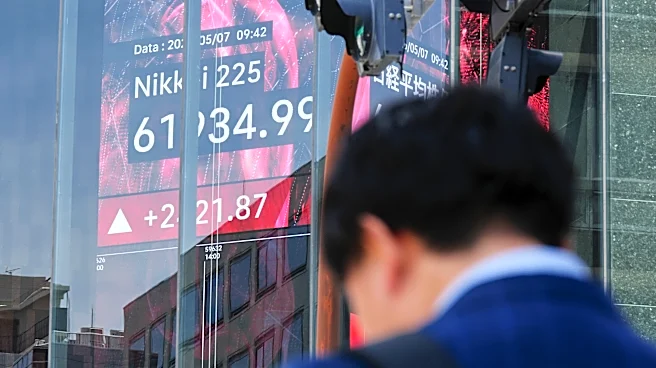
Lorie Logan, President of the Federal Reserve Bank of Dallas, has issued a warning regarding the limitations of U.S. shale production in offsetting global oil supply disruptions caused by the ongoing conflict in Iran. Speaking at a Bank of Japan conference
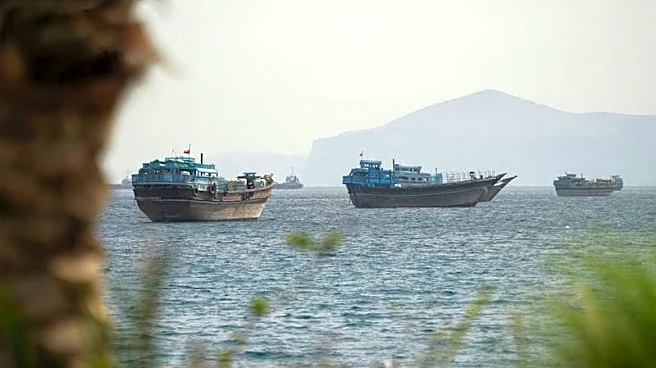
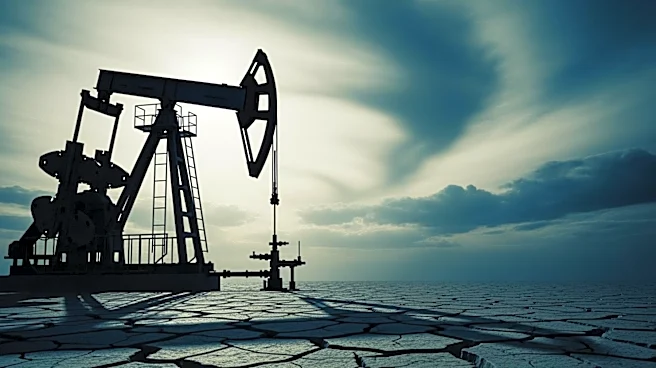
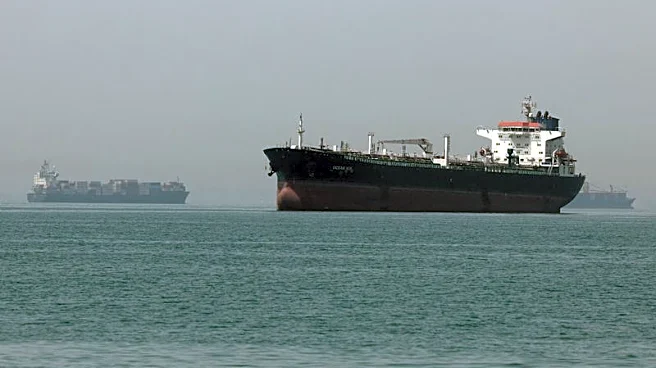
in Tokyo, Logan highlighted that about 10% of global oil supplies are currently trapped in the Persian Gulf due to the conflict. She emphasized that U.S. production, particularly from the Permian Basin, cannot compensate for this shortfall due to constraints in capital, labor, and infrastructure. Logan noted that while reserve drawdowns have temporarily filled the gap, these inventories are finite. She cautioned that if shipping through the Strait of Hormuz does not return to normal soon, global oil and natural gas consumption may need to decrease significantly.
Why It's Important?
The disruption in the Strait of Hormuz, a critical chokepoint for global oil transportation, poses significant risks to the global energy market. Logan's warning underscores the vulnerability of the U.S. and global economies to geopolitical tensions in key oil-producing regions. The inability of U.S. shale production to fully offset these disruptions could lead to increased energy prices and economic strain. This situation highlights the need for diversified energy sources and improved infrastructure to enhance energy security. The potential for reduced oil and gas availability could also accelerate the transition to alternative energy sources, impacting industries reliant on fossil fuels.
What's Next?
If the situation in the Strait of Hormuz persists, stakeholders may need to explore alternative energy sources or enhance energy efficiency to mitigate economic impacts. Policymakers might consider strategic measures to bolster energy resilience, such as investing in infrastructure improvements and diversifying energy portfolios. The Federal Reserve may also need to adapt its monetary policy tools to address potential economic stresses arising from energy market volatility. Additionally, international diplomatic efforts could intensify to resolve the conflict and restore stability to global oil supply routes.