


What's Happening?
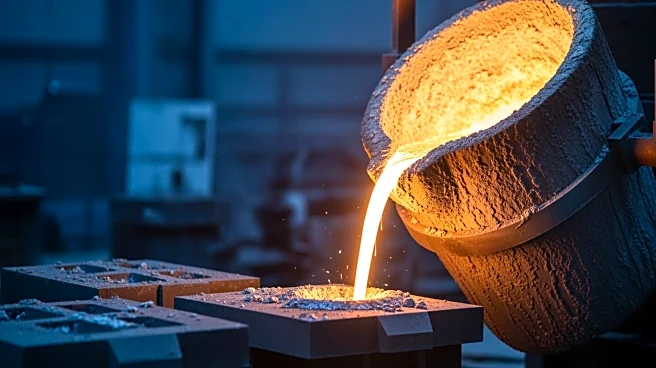
Century Aluminum, a U.S. aluminum producer, announced that its Grundartangi smelter in Iceland is set to resume operations by the end of April, six months earlier than initially anticipated. The smelter, which has a capacity of 320,000 metric tons per year, had to reduce production by two-thirds in late October due to an electrical equipment failure. This disruption contributed to a rise in European aluminum premiums, which have reached a one-year high of $356 per ton. Initially, Century projected that it would take 11-12 months to manufacture, ship, and install replacement transformers. However, the company now plans to repair some of the damaged transformers, allowing for an earlier restart of Line 2. Century CEO Jesse Gary stated that the smelter is expected
to return to near full production by the end of July, although the new transformers are not expected to arrive until the fourth quarter due to high demand from data centers.
Why It's Important?
The early resumption of operations at Century Aluminum's Iceland smelter is significant for the European aluminum market, which has been experiencing high premiums due to the production cutbacks. The ability to repair and restart the smelter ahead of schedule could help stabilize aluminum prices in Europe. Additionally, Century's strategic decisions, such as selling its idled Hawesville smelting site in Kentucky to data center operator TeraWulf, reflect the company's efforts to optimize its operations and focus on more profitable ventures. The restart of the smelter also highlights the challenges faced by the aluminum industry, including equipment failures and supply chain issues, which can have wide-reaching impacts on global markets.
What's Next?
Century Aluminum plans to continue with the installation of new replacement transformers once they are completed, ensuring long-term operational stability at the Grundartangi smelter. The company is also focusing on expanding its operations in the U.S., with the construction of a new aluminum smelter in Oklahoma in partnership with Emirates Global Aluminium. As the smelter in Iceland returns to full production, stakeholders in the aluminum market will be closely monitoring the impact on aluminum prices and supply dynamics. The company's ability to manage equipment repairs and supply chain challenges will be crucial in maintaining its competitive position in the global aluminum industry.