


What's Happening?
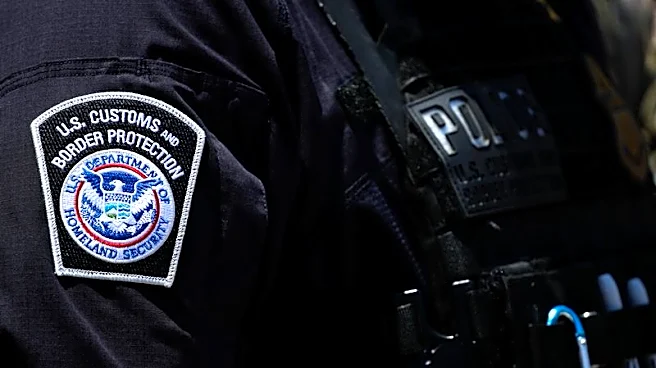
The U.S. Customs and Border Protection (CBP) is preparing to launch a web-based portal to process tariff refunds for importers affected by the now-defunct duties imposed during the Trump administration under the International Emergency Economic Powers
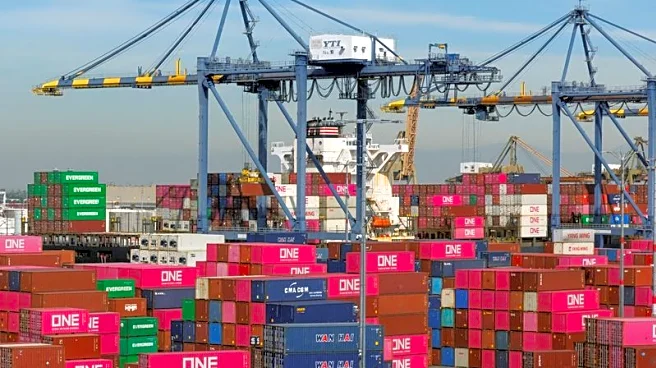
Act (IEEPA). The portal is expected to handle about 63% of the 53 million import entries, leaving nearly 40% of potential refunds unprocessed initially. Importers have paid over $166 billion in tariffs under the IEEPA statute. The new system, known as the Consolidated Administration and Processing of Entries (CAPE), is being developed to facilitate these refunds within the Automated Commercial Environment (ACE). However, the system is not fully complete, with various components at different stages of development. The initial phase will only process unliquidated entries and those within a 90-day voluntary liquidation period. Entries flagged for reconciliation or covered by open protests, among others, will not be processed immediately.
Why It's Important?
The partial processing of tariff refunds has significant implications for U.S. importers who have been financially impacted by the IEEPA duties. The inability to process all refund requests immediately could strain the cash flow of many businesses, particularly those relying on these refunds to offset previous tariff costs. This situation highlights the challenges faced by government agencies in managing large-scale refund operations and the potential economic impact on businesses awaiting these funds. The phased approach to processing refunds may lead to delays and uncertainty for importers, affecting their financial planning and operations. Additionally, the situation underscores the complexities involved in reversing trade policies and the administrative burdens associated with such changes.
What's Next?
CBP plans to begin testing the functionalities of the CAPE system soon, with the aim of having it ready for use within 45 days. The agency is under a court mandate to start processing refunds, but the timeline for processing the remaining eligible entries remains unclear. Importers and industry stakeholders will likely monitor the situation closely, advocating for expedited processing to minimize financial disruptions. The phased rollout may prompt further legal and administrative actions if delays persist, potentially involving additional court interventions or policy adjustments to address the backlog.