





What's Happening?
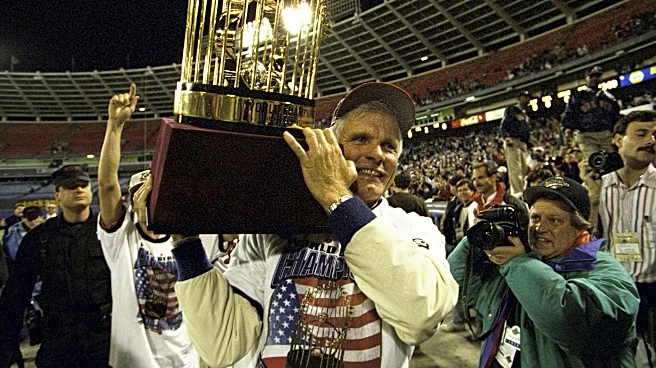
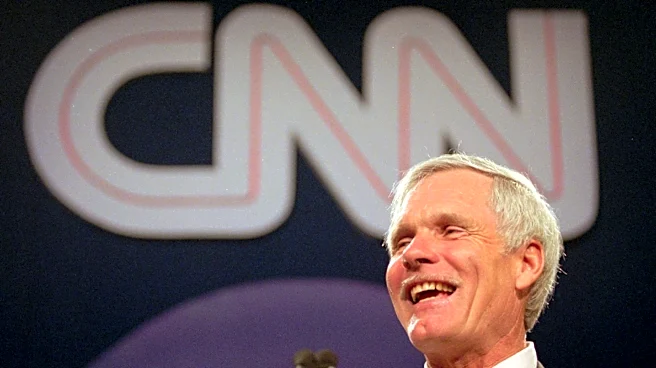
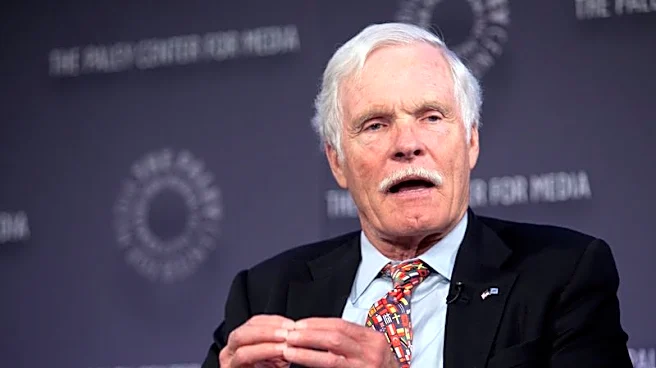
Ted Turner revolutionized sports broadcasting by purchasing the Atlanta Braves in 1976 and broadcasting their games on his Turner Broadcasting System (TBS) starting in 1977. This move allowed a national audience to regularly watch the Braves, transforming
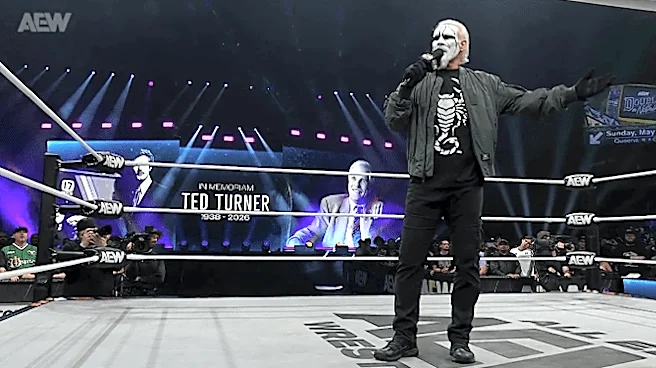
them into 'America's Team.' Turner's innovative use of satellite technology and the rise of cable television in the 1980s expanded the reach of sports broadcasts. His influence extended to wrestling, where his World Championship Wrestling (WCW) competed with WWE, contributing to the popularity of wrestling today.
Why It's Important?
Ted Turner's approach to sports broadcasting set a precedent for how sports are consumed today. By making games accessible to a national audience, he changed the landscape of sports media, paving the way for the widespread availability of sports content. This shift has had lasting impacts on fan engagement, team branding, and the business models of sports franchises. Turner's legacy demonstrates the power of media innovation in shaping cultural and entertainment experiences, influencing how sports are marketed and consumed globally.
Beyond the Headlines
Turner's impact on sports broadcasting also highlights the intersection of media and sports as a business. His approach emphasized fan engagement over pure business interests, a philosophy that contrasts with many modern sports team owners. This focus on the fan experience has contributed to the enduring popularity of the Braves and WCW. Turner's legacy serves as a reminder of the potential for media to enhance cultural experiences and foster community among fans, illustrating the broader societal role of sports beyond mere entertainment.