
What's Happening?
The presale of tickets for the 2028 Olympics in Los Angeles has sparked controversy among local residents due to high prices and additional service fees. The LA28 organizing committee offered a range of ticket prices starting
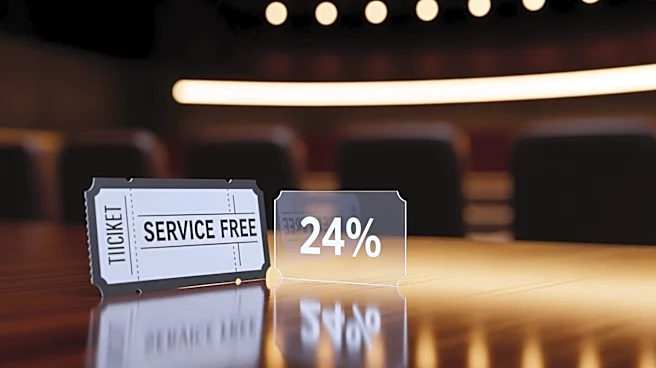
at $28, but these lower-priced tickets quickly sold out, leaving many residents with only expensive options. A 24% service fee was also added to the ticket prices, intended to cover customer service costs during the Games. Despite efforts to prioritize local access to affordable tickets, many Angelenos expressed frustration over the limited availability of the $28 tickets and the overall high cost of attending popular events like gymnastics and track and field.
Why It's Important?
The pricing strategy for the 2028 Olympics is significant as it highlights the financial challenges of hosting such a large-scale event. The high ticket prices are intended to ensure that the LA28 budget, which exceeds $7.1 billion, breaks even without relying on taxpayer dollars. This approach aims to avoid the financial pitfalls experienced by previous host cities like Greece and Brazil, which faced debt and infrastructure issues post-Games. However, the high costs may limit local participation and raise concerns about the economic impact on communities like Inglewood, which will host several events. The situation underscores the balance between financial viability and community accessibility in hosting international events.
What's Next?
As the 2028 Olympics approach, the LA28 committee may face continued scrutiny over ticket pricing and accessibility. Community leaders and residents may push for more affordable options and greater transparency in ticket distribution. The organizing committee might also explore additional measures to ensure local engagement and address concerns about the economic impact on host communities. Stakeholders, including local businesses and civic groups, could advocate for policies that maximize the economic benefits of the Games while minimizing disruptions to daily life in Los Angeles.
Beyond the Headlines
The controversy over ticket prices for the 2028 Olympics raises broader questions about the inclusivity and accessibility of major sporting events. The situation highlights the potential for economic disparities to influence who can participate in and benefit from such events. It also reflects ongoing debates about the role of public funding and private investment in large-scale international competitions. The outcome of these discussions could influence future Olympic Games and other global events, shaping policies on pricing, community engagement, and economic impact.