






What's Happening?
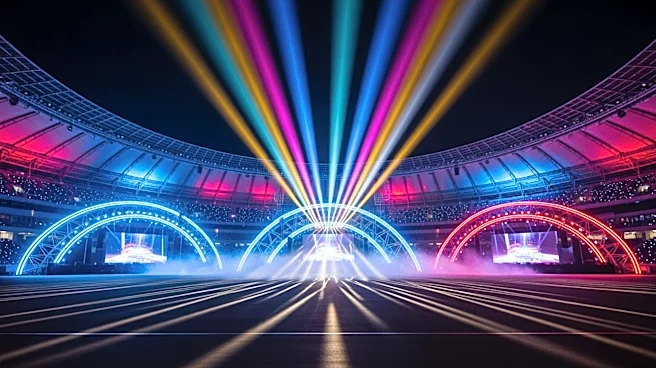
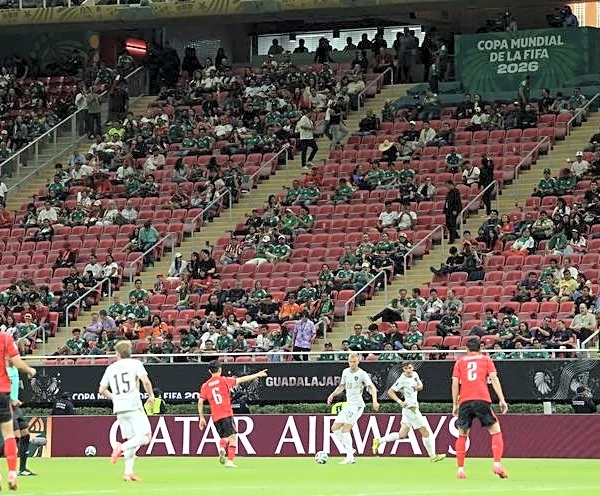
The FIFA World Cup 2026 kicked off in Mexico City with a dazzling opening ceremony at the Azteca Stadium, featuring performances by Shakira, Burna Boy, and J Balvin. The event marked the beginning of the expanded 48-team tournament, co-hosted by Mexico,
the United States, and Canada. The Azteca Stadium, now renamed Mexico City Stadium, has become the first venue to host the World Cup's opening match three times. The ceremony was attended by over 80,000 fans, while outside, protests occurred over the costs and security measures associated with the event.
Why It's Important?
The World Cup's expansion to 48 teams represents a significant shift in the tournament's structure, allowing more nations to participate and increasing global engagement. Hosting the event across three countries highlights North America's growing influence in international soccer. The opening ceremony's star-studded lineup reflects the cultural diversity and global appeal of the tournament. However, the protests highlight concerns over the financial and social impact of hosting such a large-scale event.
Beyond the Headlines
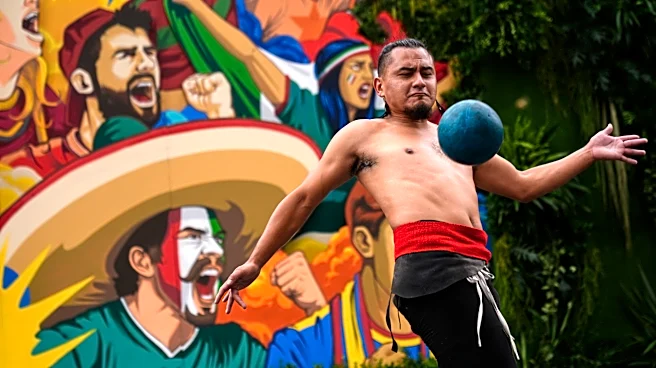
The protests surrounding the World Cup's opening ceremony in Mexico City underscore the complex dynamics of hosting international events. While the tournament brings economic benefits and global attention, it also raises issues related to cost, security, and community disruption. The balance between celebrating cultural diversity and addressing local concerns is a critical aspect of hosting the World Cup, and it may influence future decisions regarding event planning and management.