


What's Happening?
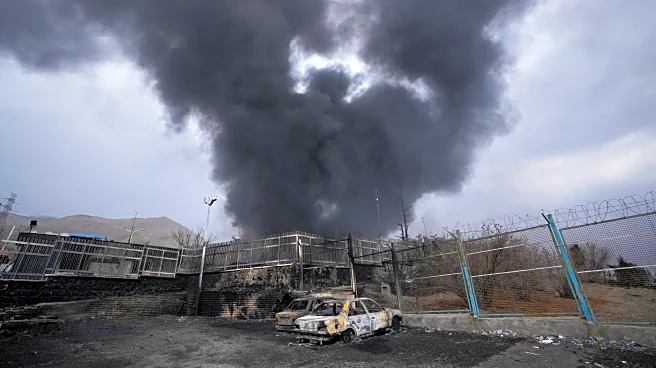
United Airlines CEO Scott Kirby has issued a warning about the potential rise in airline ticket prices due to the ongoing conflict in Iran, which has led to a significant increase in fuel prices. The conflict has caused a 56% surge in jet fuel costs following
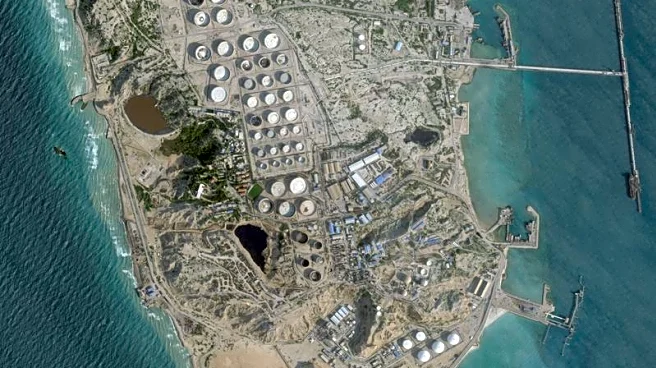
US and Israeli strikes on Iran. The closure of the Strait of Hormuz, a critical trade route for oil, has exacerbated the situation. Airlines, particularly those with low margins and high fuel expenses, are sensitive to these fuel shocks. As a result, airlines have begun increasing airfares, especially for premium seats, to offset the higher fuel costs. Kirby highlighted that the impact on ticket prices could be immediate, affecting the financial results of airlines like United.
Why It's Important?
The rise in fuel prices due to geopolitical tensions in the Middle East poses a significant challenge for the airline industry, which relies heavily on fuel as a major operating expense. The increase in ticket prices could affect consumer demand, particularly for budget airlines like Spirit, which are more vulnerable to fuel price fluctuations. Larger airlines like United may better absorb these costs, but the overall industry could see reduced profitability. The situation underscores the broader economic impact of geopolitical conflicts on global markets, particularly in sectors heavily reliant on stable energy prices.
What's Next?
If the conflict in Iran continues, airlines may face prolonged financial strain, leading to further increases in ticket prices. The industry will need to balance fare hikes with maintaining customer demand. Airlines might also explore alternative strategies, such as fuel hedging, to mitigate future risks. The duration and escalation of the conflict will be critical in determining the long-term impact on the aviation sector.