



What's Happening?
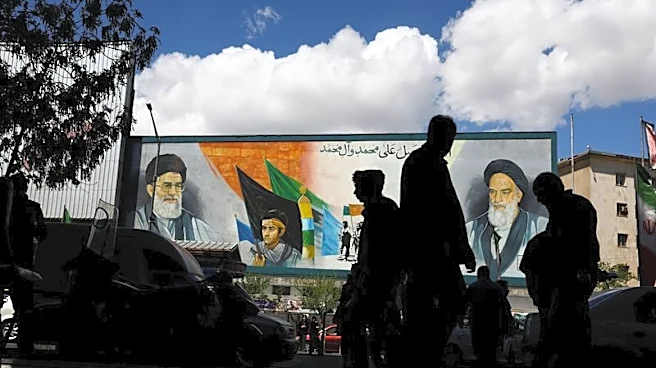
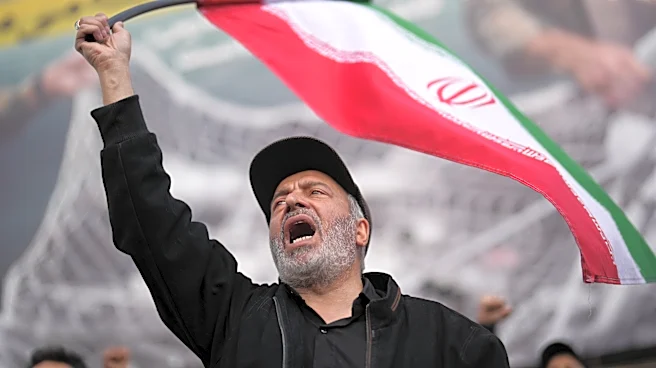
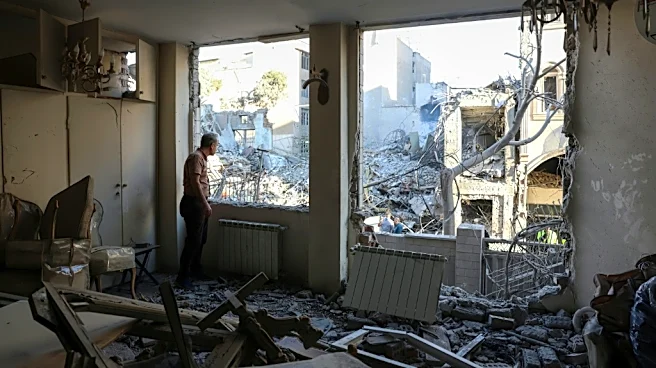
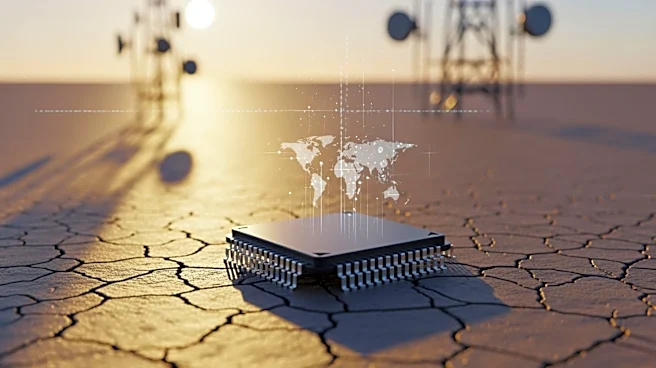
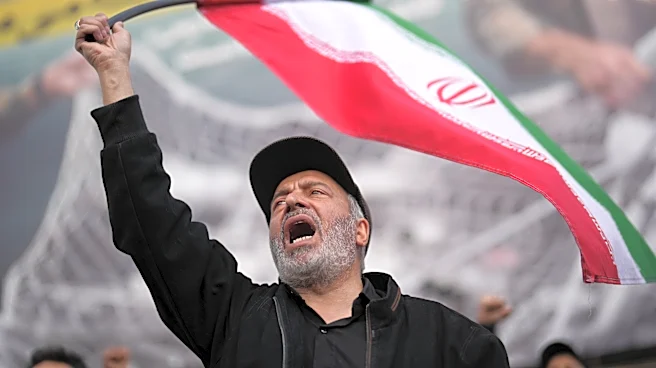
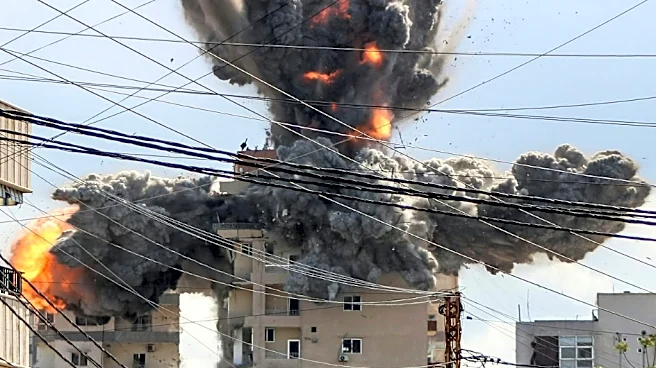
The ongoing conflict in the Middle East, particularly involving Iran, has led to significant challenges for the global tech sector. A two-week ceasefire was recently agreed upon, but its fragility leaves the future uncertain. The conflict has disrupted
exports of helium, a crucial component in chip manufacturing, and caused delays in semiconductor deliveries due to altered flight paths. Analysts are concerned about the long-term impact on data center and AI infrastructure projects in the region. Despite these challenges, local investors with substantial financial resources may continue to support tech projects, leveraging the region's abundant resources and favorable conditions for international tech investments.
Why It's Important?
The Middle East conflict poses a threat to the stability and growth of the global tech industry. Disruptions in the supply chain, particularly in semiconductor production, could have widespread effects on various industries reliant on technology. The conflict has also damaged the region's reputation as a stable investment destination, potentially leading investors to seek opportunities elsewhere. However, the region's rich resources and local investment capabilities may help mitigate some of these challenges. The tech sector's ability to adapt and find alternative solutions will be crucial in maintaining its growth trajectory amid geopolitical uncertainties.
What's Next?
As the ceasefire holds, stakeholders in the tech industry will be closely monitoring the situation for signs of a lasting resolution. The continuation of peace talks and potential stabilization in the region could restore investor confidence and facilitate the resumption of disrupted supply chains. However, if the conflict persists, companies may need to explore alternative supply sources and investment destinations. The tech sector's resilience and adaptability will be tested as it navigates these geopolitical challenges.