








What's Happening?
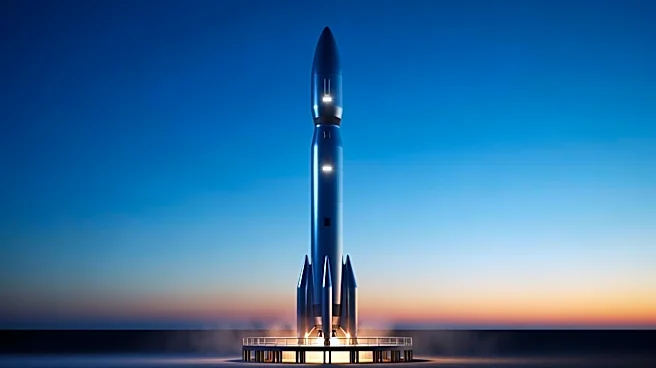
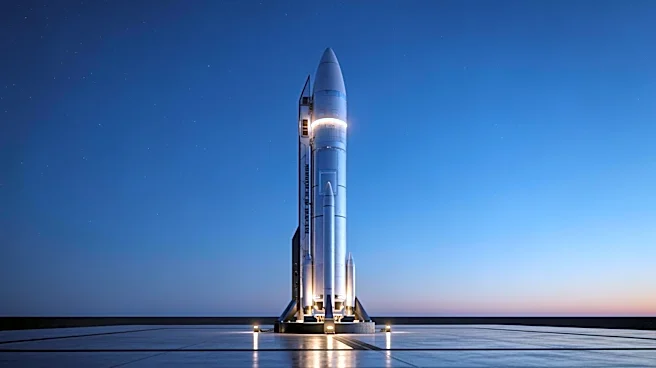
SpaceX has scheduled the debut launch of its upgraded Starship V3 for May 19, 2026. This marks the first flight of the new version, which includes significant design upgrades aimed at improving performance and reusability. The Super Heavy booster now
features larger grid fins for better recovery, and the hot-stage section has been integrated into the booster to enhance efficiency. The Ship upper stage has undergone a complete redesign, introducing a new Raptor engine startup method and larger propellant tanks. These enhancements are part of SpaceX's broader goals for lunar exploration and future Mars missions.
Why It's Important?
The successful launch of Starship V3 is crucial for SpaceX's long-term ambitions in space exploration, particularly its plans for lunar missions and eventual human travel to Mars. The upgrades are designed to improve the rocket's reusability and performance, which are key factors in reducing the cost of space travel. This development also positions SpaceX as a leader in the aerospace industry, potentially influencing future contracts with NASA and other space agencies. The advancements in technology could have broader implications for the commercial space sector.
What's Next?
Following the launch, SpaceX will likely conduct further tests to validate the new design features and assess their performance in real-world conditions. The company may also continue to refine the Starship design based on data collected from this and subsequent flights. Successful missions could accelerate SpaceX's timeline for manned missions to the Moon and Mars, potentially leading to new partnerships and funding opportunities. The aerospace community and potential competitors will be closely monitoring the outcomes of these tests.