

What's Happening?
The Conference Board reported a slight increase in U.S. consumer confidence in February, with the index rising to 91.2 from 89 in January. Despite this improvement, the measure of short-term expectations remains below the recession-indicating threshold
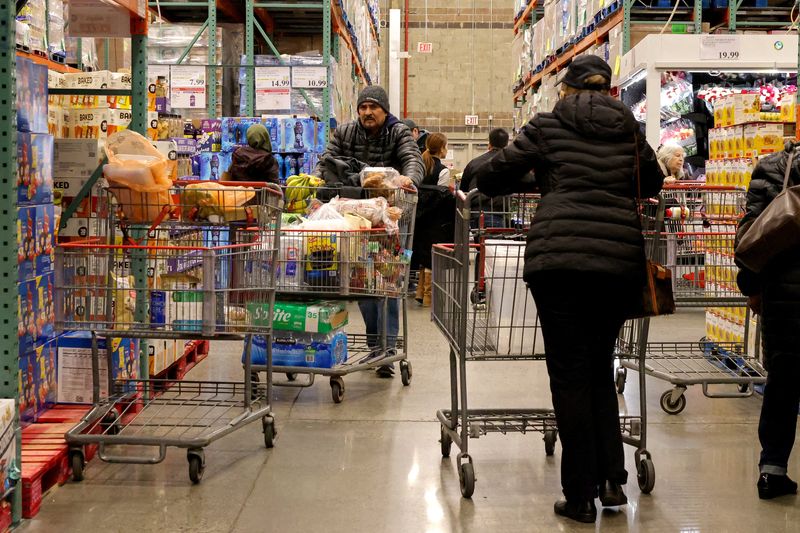
of 80 for the 13th consecutive month. The labor market shows signs of a 'low hire, low fire' state, influenced by uncertainties surrounding tariffs and interest rates. While job growth continues, it has slowed compared to previous years. Consumer plans to purchase big-ticket items have increased, although home-buying expectations remain stagnant due to a prolonged housing market slump.
Why It's Important?
The slight rise in consumer confidence suggests a cautious optimism among Americans regarding the economy, despite ongoing challenges. The persistent low expectations highlight concerns about potential recession risks and economic stability. The labor market's current state reflects broader economic uncertainties, impacting business investment and consumer spending. The data indicates that while some sectors show resilience, others, like housing, continue to struggle. These trends are crucial for policymakers and businesses as they navigate economic recovery and growth strategies.
What's Next?
As the U.S. economy continues to face challenges, the focus will likely remain on addressing factors contributing to economic uncertainty, such as tariffs and interest rates. Policymakers may need to consider measures to stimulate job growth and consumer spending. The housing market's recovery will also be a key area of interest, with potential policy interventions to support home-buying. The evolving economic landscape will require careful monitoring to ensure sustained growth and stability.