




What's Happening?
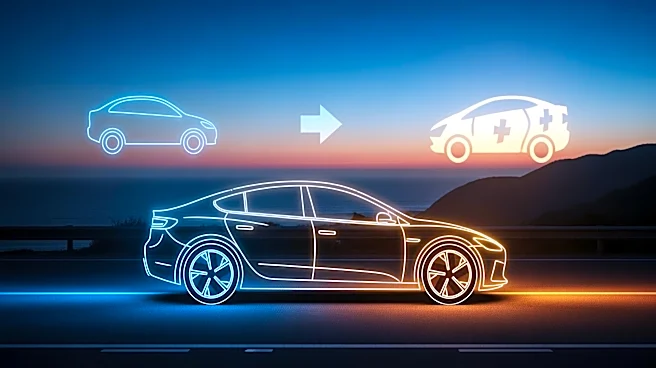
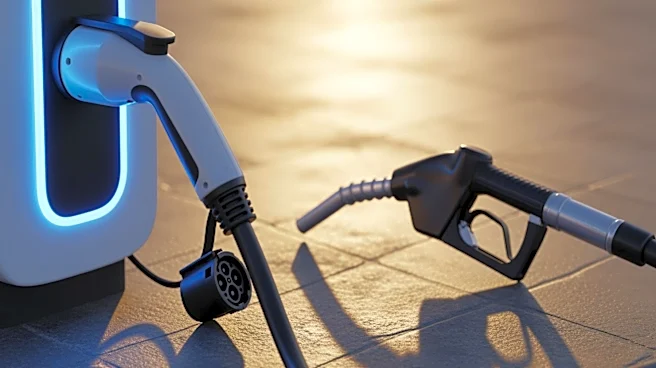
Consumer Reports has released insights on the potential cost savings associated with choosing electric vehicles (EVs) and hybrids, especially as gas prices remain high. The report emphasizes that selecting the right vehicle can significantly reduce fuel
expenses over time. Keith Barry, an auto expert from Consumer Reports, advises consumers to consider their daily driving needs and suggests that renting larger vehicles for occasional use might be more economical. The report also notes that hybrids offer a balance of performance and fuel efficiency, often providing a more enjoyable driving experience. Additionally, the availability of used EVs at competitive prices presents an attractive option for budget-conscious buyers. However, the report cautions that electricity costs have also risen, urging buyers to evaluate total energy costs.
Why It's Important?
The insights from Consumer Reports are significant as they highlight the growing importance of fuel efficiency in vehicle purchasing decisions, particularly in the context of fluctuating gas prices. This shift towards more efficient vehicles could have a substantial impact on the automotive industry, encouraging manufacturers to focus on developing and marketing hybrids and EVs. Consumers stand to benefit from long-term savings on fuel, while the environment could see positive effects from reduced emissions. The report also underscores the importance of considering total energy costs, which could influence consumer behavior and drive further innovation in the EV market.
What's Next?
As consumers become more aware of the benefits of hybrids and EVs, it is likely that demand for these vehicles will continue to grow. This could lead to increased competition among automakers to produce more efficient and affordable models. Additionally, as the market for used EVs expands, consumers may have more options to choose from, potentially driving down prices further. Policymakers might also respond by implementing incentives to encourage the adoption of fuel-efficient vehicles, further accelerating the transition to a more sustainable automotive industry.