


What's Happening?
Toyota Motor North America is maintaining its commitment to gasoline-powered vehicles, highlighting the ongoing demand for combustion engines in various regions. Despite the global shift towards electric vehicles (EVs), Toyota plans to offer a range of options
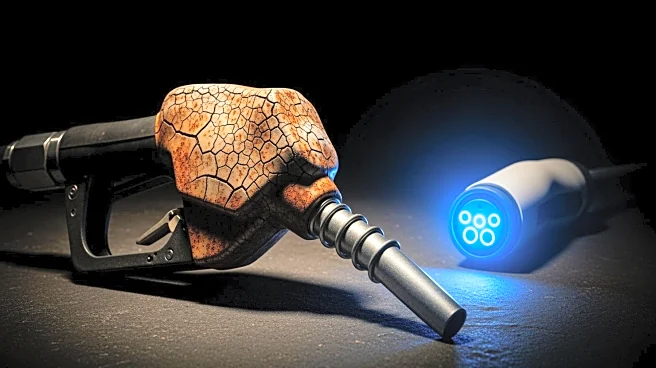
with its next-generation Corolla, including electric, hybrid, and potentially plug-in hybrid models. The company is also collaborating with Mazda and Subaru to explore carbon-neutral fuels to extend the life of combustion engines. Toyota's strategy reflects the uneven adoption of EVs, with many areas lacking the infrastructure to support a full transition to electric vehicles.
Why It's Important?
Toyota's approach underscores the challenges of transitioning to electric vehicles globally. While EV demand is rising, infrastructure limitations and cost disparities between EVs and traditional vehicles remain significant hurdles. Toyota's strategy to offer diverse powertrain options aims to cater to varying regional needs and consumer preferences. This approach could influence other automakers to adopt similar strategies, balancing the push for electrification with the practical realities of current infrastructure and market demands.
What's Next?
Toyota's continued investment in combustion engines and alternative fuels suggests a long-term commitment to a multi-pathway strategy. The company's collaboration with other automakers on carbon-neutral fuels could lead to advancements in sustainable combustion technology. As the global automotive market evolves, Toyota's strategy may prompt discussions on the best approaches to achieving carbon neutrality while meeting diverse consumer needs.