



What's Happening?
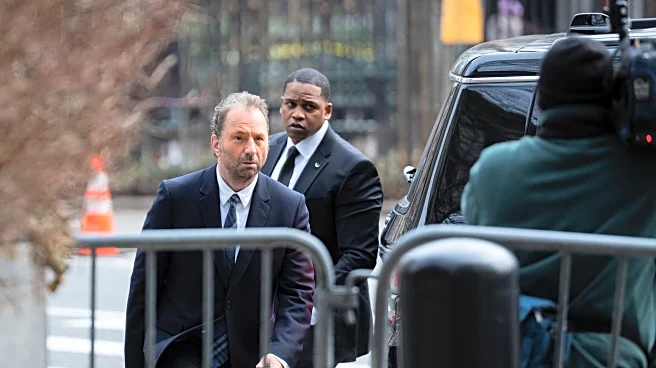
The antitrust trial against Live Nation resumed this week, focusing on allegations of monopolistic practices in the live music industry. The trial, which initially included the Department of Justice (DOJ), now sees state attorneys general from New York,
California, and others pursuing the case independently after the DOJ reached a partial settlement with Live Nation. The settlement requires Live Nation to curb certain anticompetitive practices, but the states aim to dismantle the company's merger with Ticketmaster. Key testimony came from Live Nation CEO Michael Rapino, who defended the company against monopoly claims and addressed controversial Slack messages from employees joking about exploiting consumers. Rapino emphasized that such language does not reflect the company's values and promised to address the issue internally.
Why It's Important?
This trial is significant as it challenges the dominance of Live Nation and Ticketmaster in the live music industry, which critics argue stifles competition and harms consumers with high fees and limited ticketing options. The outcome could reshape the industry by potentially breaking up the merger, thus increasing competition and possibly lowering costs for consumers. The trial also highlights the ethical considerations of corporate practices, as evidenced by the Slack messages, which could influence public perception and regulatory scrutiny of large corporations. The case underscores the ongoing debate over corporate power and consumer rights in the U.S. economy.
What's Next?
The trial is expected to continue with Live Nation presenting its defense. The jury will ultimately decide whether the company is a monopolist. The outcome could lead to significant changes in how Live Nation operates, particularly if the states succeed in their goal to break up the merger with Ticketmaster. The trial's developments will be closely watched by industry stakeholders, including artists, venues, and competing ticketing companies, as they could impact future business practices and regulatory policies in the live entertainment sector.