



What's Happening?
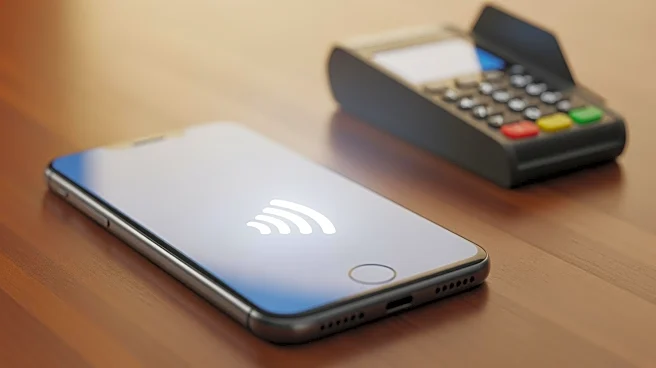
The use of smartphones as payment terminals is gaining traction, driven by the removal of the £100 contactless limit in the UK, which allows banks and card issuers to set their own caps. This change is expected to accelerate the adoption of tap-and-go
payments. According to Barclays' 2024 data, 94.6% of eligible in-store card payments under £100 were made via contactless methods. Payabl., a company at the forefront of this trend, has developed a solution using secure software point-of-sale (SoftPOS) technology, enabling merchants to transform smartphones into full-featured payment terminals. This technology supports various transaction types and integrates with payabl.one, the company's unified payments platform, allowing merchants to manage both online and in-person transactions seamlessly.
Why It's Important?
The shift towards using smartphones as payment terminals represents a significant advancement in payment technology, offering increased flexibility and convenience for businesses, particularly small and micro enterprises. By eliminating the need for traditional payment terminals, businesses can reduce costs and improve operational efficiency. This development is particularly beneficial for businesses operating in dynamic environments, such as markets or pop-up events, where traditional payment infrastructure may be impractical. The broader adoption of contactless payments also reflects changing consumer preferences, with a growing demand for fast and secure payment options.
What's Next?
As the adoption of smartphone-based payment terminals continues to grow, businesses may increasingly rely on this technology to enhance customer experience and streamline operations. The financial industry may see further innovations in payment solutions, driven by consumer demand for convenience and security. Regulatory bodies may also need to address potential security concerns associated with mobile payments, ensuring that consumer data is protected. Additionally, the success of this technology could influence global payment trends, encouraging other regions to adopt similar solutions.