




What's Happening?
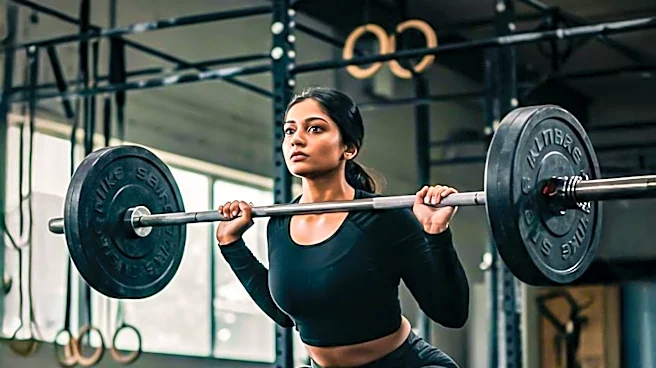
Squats are highlighted as a beneficial exercise for women in their 50s, offering numerous health benefits such as countering age-related muscle loss, improving bone density, and enhancing joint function. The article provides guidance on squat standards,
emphasizing the importance of technique and factors influencing squat performance, such as limb length, weight, and injury history. It also offers tips for increasing squat weight, including the use of progressive overload, regular rest days, and adequate protein intake. These strategies are aimed at helping women maintain and improve their strength as they age.
Why It's Important?
As women age, maintaining muscle mass and bone density becomes increasingly important to prevent conditions like sarcopenia and osteoporosis. Squats, as a compound exercise, play a crucial role in promoting overall health and fitness. By providing benchmarks and improvement strategies, the article empowers women to set realistic fitness goals and track their progress. This focus on strength training can lead to improved quality of life, greater independence, and reduced risk of injury, highlighting the importance of tailored fitness programs for older adults.
What's Next?
The growing awareness of the benefits of strength training for older adults may lead to more targeted fitness programs and resources. Fitness professionals might develop specialized training regimens that cater to the unique needs of women in their 50s and beyond. Additionally, as research continues to explore the impact of exercise on aging, new insights could further refine these programs, making them more effective and accessible. This trend could also influence public health initiatives aimed at encouraging physical activity among older populations.