



What's Happening?
Bank of America Chairman and CEO Brian Moynihan emphasized the critical need for maintaining the Federal Reserve's independence as President Trump searches for a new chair. Moynihan, speaking on 'Face the Nation,' warned that the market would react negatively if the Fed's independence is compromised. The Federal Reserve, which sets national interest rates, recently cut rates for the third consecutive time, bringing them to their lowest since November 2022. Moynihan highlighted the private sector's role in driving the economy and expressed concern over the excessive focus on the Fed's rate adjustments. He noted that while the Fed plays a significant role in economic stabilization, its presence should not overshadow the broader economic landscape.
Why It's Important?
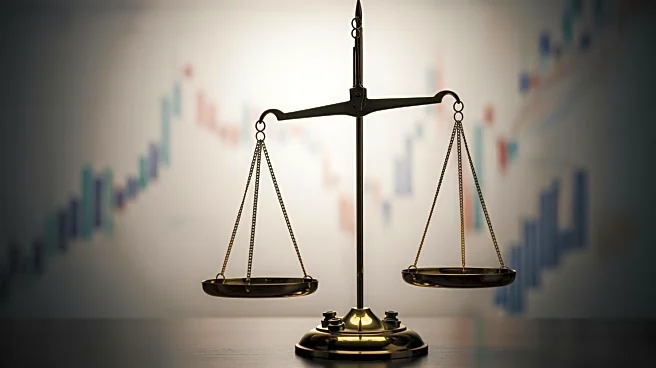
The independence of the Federal Reserve is crucial for maintaining market stability and investor confidence. Moynihan's comments underscore the potential risks to the economy if political influences undermine the Fed's autonomy. The Federal Reserve's decisions on interest rates significantly impact borrowing costs, consumer spending, and overall economic growth. As President Trump considers candidates for the Fed chair position, the market's reaction will be closely watched. Any perceived threat to the Fed's independence could lead to market volatility, affecting businesses and consumers alike. Moynihan's remarks highlight the delicate balance between government oversight and the need for an independent central bank to ensure economic stability.
What's Next?
With Jerome Powell's term as Fed chair ending in May 2026, President Trump is expected to nominate a successor soon. The selection process will be closely monitored by financial markets, as the new chair's approach to monetary policy could influence future interest rate decisions. Stakeholders, including businesses and investors, will be keenly interested in the nominee's stance on maintaining the Fed's independence. The outcome of this decision could have far-reaching implications for the U.S. economy, particularly in terms of interest rate policy and market confidence.