





What's Happening?
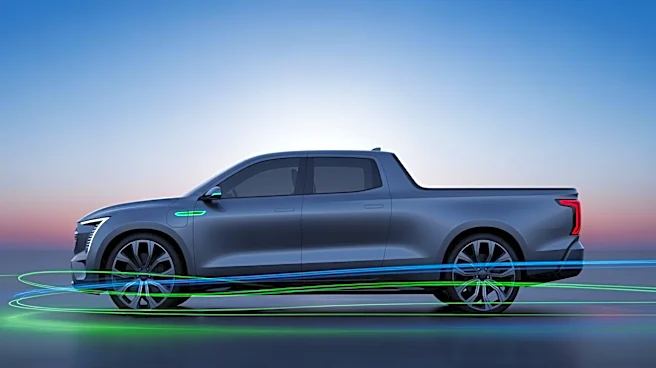
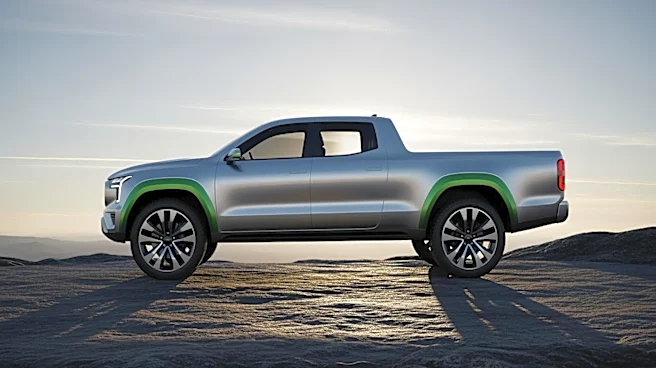
The average cost of a new car in the United States is approaching $50,000, marking a 30% increase over the past six years. This rise is attributed to automakers focusing on producing larger, more expensive vehicles like SUVs and pickup trucks, which offer
higher profit margins. As a result, the availability of vehicles priced under $30,000 has significantly decreased. Consumers are increasingly turning to longer loan terms, with 7-year loans now comprising over 12% of all sales, up from nearly 8% a year ago. This trend is driven by the need to manage higher monthly payments, which have reached an average of $775. The shift in consumer preferences and economic pressures, including inflation and rising interest rates, are contributing to the affordability challenges faced by car buyers.
Why It's Important?
The escalating cost of new vehicles is a significant concern for American consumers, particularly as it coincides with broader economic pressures such as inflation and stagnant wage growth. The shift towards more expensive vehicles limits options for budget-conscious buyers, potentially pushing them towards the used car market, which is also experiencing price increases. This situation could exacerbate financial strain for many households, impacting their ability to afford other essential expenses. The trend also highlights a potential shift in consumer behavior, as more buyers may opt for longer loan terms or consider alternative transportation options, such as public transit or car-sharing services.
What's Next?
As car prices continue to rise, automakers may face pressure to reintroduce more affordable models to meet consumer demand. Some manufacturers, like Ford and General Motors, have already acknowledged affordability concerns and are planning to offer vehicles priced under $40,000 by the end of the decade. Additionally, the used car market may see increased activity as buyers seek more cost-effective options. Policymakers and industry stakeholders may also explore measures to address affordability issues, such as incentives for purchasing fuel-efficient or electric vehicles, which could offer long-term savings despite higher upfront costs.