
What's Happening?
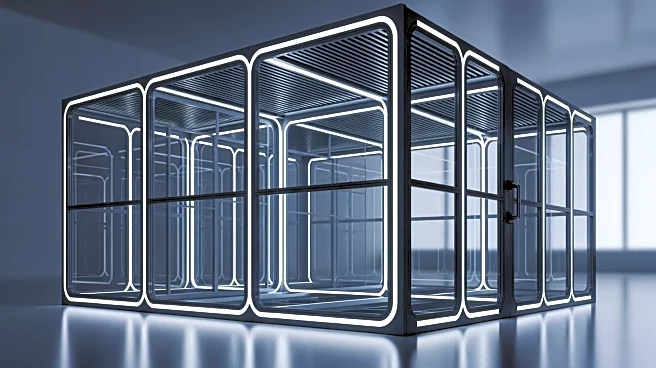
Guardtech Cleanrooms, a company specializing in controlled environment construction, has launched a new modular cleanroom system designed to adapt to the rapidly changing needs of industries such as Life Sciences, Pharmaceutical, and Aerospace. The company,
which has been in operation since 2000, emphasizes the importance of flexibility in cleanroom design, allowing for easy expansion and reconfiguration as business needs evolve. This approach is symbolized by their new mascot, Cammi the Cleanroom Chameleon, representing adaptability. The modular systems use precision-engineered GT Shell panel systems, enabling organizations to modify their cleanrooms without significant disruption or cost.
Why It's Important?
The introduction of modular cleanroom systems by Guardtech is significant as it addresses the need for flexibility in industries where technological advancements and regulatory changes occur rapidly. By allowing businesses to adapt their facilities easily, these systems can help companies remain competitive and compliant with industry standards. This adaptability is crucial for sectors like Pharmaceuticals and Life Sciences, where innovation and speed to market are critical. The ability to modify cleanrooms without extensive downtime or expense can lead to increased operational efficiency and cost savings, benefiting both the companies and their clients.
What's Next?
As industries continue to evolve, the demand for adaptable and flexible cleanroom solutions is likely to grow. Guardtech's modular systems may set a new standard in cleanroom design, prompting other companies to adopt similar approaches. The success of these systems could lead to further innovations in modular construction, potentially expanding into other areas of industrial and commercial building design. Stakeholders in industries reliant on cleanrooms may begin to prioritize modular solutions when planning new facilities or upgrading existing ones.
Beyond the Headlines
The shift towards modular cleanroom systems reflects a broader trend in industrial design towards flexibility and future-proofing. This approach not only supports innovation but also aligns with sustainable practices by reducing the need for complete rebuilds. As industries face increasing pressure to reduce their environmental impact, modular systems offer a way to minimize waste and resource use. Additionally, the emphasis on adaptability may influence regulatory bodies to consider more flexible compliance standards, recognizing the benefits of modular construction in maintaining high-quality controlled environments.