
What's Happening?
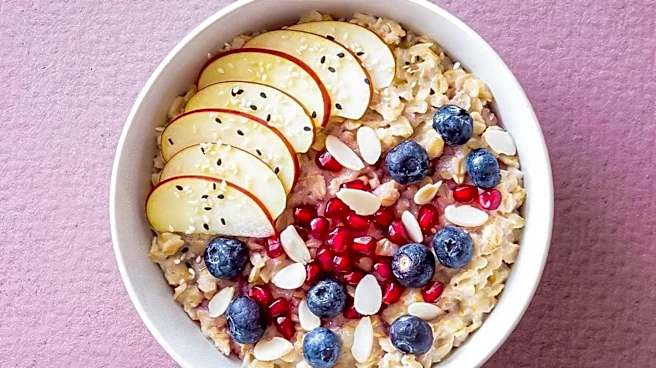
Oats are widely recognized for their health benefits, particularly in promoting heart health and providing satiety due to their high fiber content. However, medical experts are cautioning that oats may
not be suitable for everyone. The type of oats, their processing level, and individual tolerance can significantly affect their health impact. Instant oats, for example, can cause rapid spikes in blood sugar levels, which is a concern for individuals with diabetes or insulin resistance. Additionally, oats contain phytates, which can hinder the absorption of essential minerals like iron and zinc. Furthermore, while oats are naturally gluten-free, cross-contamination during processing can pose risks for those with celiac disease or gluten sensitivity. Experts recommend choosing less processed oats, pairing them with proteins or healthy fats, and incorporating a variety of grains into the diet to mitigate these issues.
Why It's Important?
The discussion around oats highlights the complexity of dietary choices and the importance of personalized nutrition. While oats are often marketed as a 'superfood,' their benefits are not universal. For individuals with specific health conditions, such as diabetes or gluten sensitivity, consuming oats without caution could lead to adverse health effects. This underscores the need for consumers to be informed about the foods they eat and to consider their unique health needs. The broader implication is a reminder that dietary trends should not overshadow the importance of a balanced and varied diet. This information is crucial for healthcare providers, nutritionists, and consumers aiming to make informed dietary choices.
What's Next?
As awareness of the potential downsides of oats grows, it is likely that more consumers will seek guidance from healthcare professionals to tailor their diets to their specific health needs. Nutritionists and dietitians may increasingly emphasize the importance of food variety and the risks of relying too heavily on any single food item. Additionally, there may be a push for clearer labeling on oat products to inform consumers about processing levels and potential cross-contamination with gluten. This could lead to changes in how oat products are marketed and consumed, with a focus on promoting balanced dietary practices.
Beyond the Headlines
The conversation about oats also touches on broader themes in nutrition, such as the impact of food processing on health and the role of dietary trends in shaping consumer behavior. The potential for oats to cause digestive discomfort or interfere with mineral absorption highlights the need for ongoing research into the health effects of commonly consumed foods. This situation also reflects the challenges of navigating food marketing, where health claims can sometimes overshadow the nuanced realities of nutrition science. As consumers become more health-conscious, there may be increased demand for transparency and education around food products.