



What's Happening?
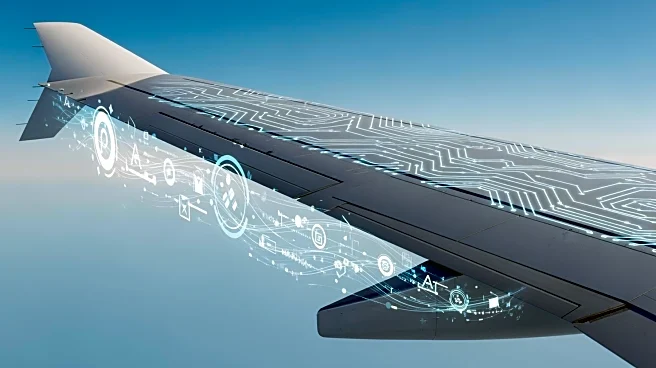
Southwest Airlines has partnered with AIXI, an AI startup specializing in aircraft system diagnostics, to implement predictive maintenance across its fleet. This initiative replaces traditional schedule-based maintenance with real-time, data-informed predictions. AI algorithms analyze data from onboard sensors monitoring engine temperature, vibration levels, hydraulic pressure, and fuel efficiency to anticipate potential failures before they occur. This proactive approach aims to reduce unexpected breakdowns, improve aircraft availability, lower maintenance costs, and enhance operational safety. The collaboration has equipped Southwest's fleet with AI-driven analytics tools capable of real-time monitoring of critical systems. When anomalies
are detected, such as unexpected turbine vibrations or reduced hydraulic pressure, the system flags the issue and recommends targeted maintenance actions. As a result, Southwest has significantly reduced unplanned maintenance-related delays, improving both customer satisfaction and operational efficiency.
Why It's Important?
The implementation of AI-driven predictive maintenance by Southwest Airlines represents a significant advancement in aviation technology, with broad implications for the industry. By reducing unplanned maintenance-related delays, the airline can improve operational efficiency and customer satisfaction, which are critical in a highly competitive market. This approach also lowers maintenance costs and enhances safety, providing a competitive edge. The use of AI in predictive maintenance could set a precedent for other airlines, encouraging widespread adoption of similar technologies. This shift could lead to industry-wide improvements in reliability and efficiency, potentially transforming maintenance practices across the aviation sector. Additionally, the reduction in delays and maintenance costs can contribute to better financial performance for airlines, benefiting shareholders and stakeholders.
What's Next?
As Southwest Airlines continues to refine its predictive maintenance capabilities, other airlines may follow suit, adopting similar AI-driven technologies to enhance their operations. The success of this initiative could lead to further collaborations between airlines and AI startups, fostering innovation in aviation technology. Regulatory bodies may also take an interest in the safety and efficiency improvements offered by predictive maintenance, potentially influencing future aviation standards and regulations. Additionally, as AI technology evolves, there may be opportunities to expand its application beyond maintenance, such as in flight operations optimization and passenger experience enhancement.