





What's Happening?
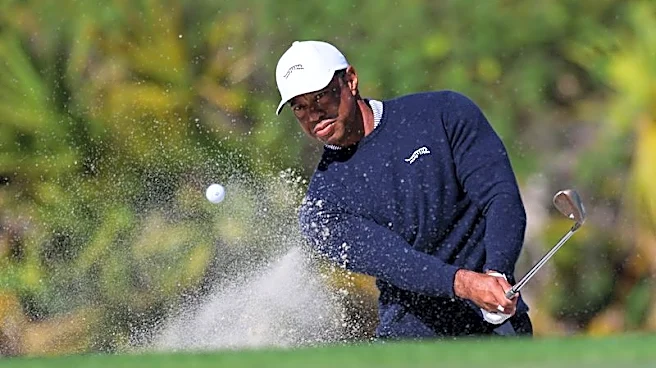
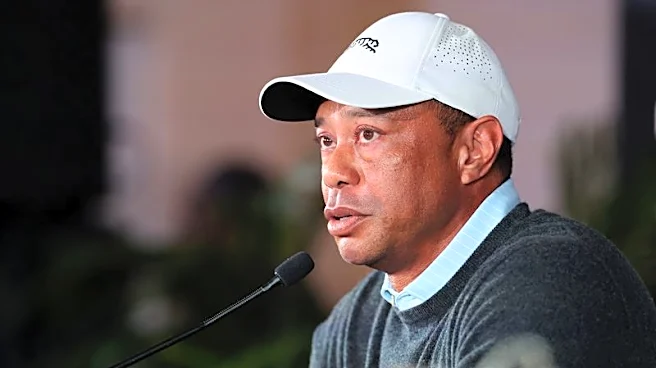
Tiger Woods has been granted permission to leave the United States to seek treatment at an undisclosed facility abroad, citing privacy concerns. This decision follows a recent vehicle crash in which Woods was involved, leading to a DUI charge after he refused
a urine test. Woods, who passed a breathalyzer test, has pleaded not guilty to the charges. The move to seek treatment outside the U.S. is reportedly due to the need for privacy and a level of care not available domestically. Woods has announced a temporary step back from his professional duties to focus on his health and recovery.
Why It's Important?
Tiger Woods' decision to seek treatment abroad highlights the challenges faced by high-profile individuals in maintaining privacy during personal crises. This move underscores the impact of public scrutiny on personal health decisions and the lengths to which individuals may go to secure privacy. Woods' absence from upcoming golf events, including the Masters, and his temporary withdrawal from professional duties could have implications for the PGA Tour and his personal brand. The situation also raises broader questions about the intersection of celebrity, privacy, and healthcare.
What's Next?
Woods' treatment abroad will likely be closely monitored by the media, despite efforts to maintain privacy. His return to professional golf remains uncertain, depending on the outcome of his treatment and legal proceedings. The PGA Tour and related stakeholders may need to adjust plans in Woods' absence, potentially affecting event dynamics and sponsorships. Woods' case may also prompt discussions about privacy rights for public figures and the availability of specialized healthcare services in the U.S.