






What's Happening?
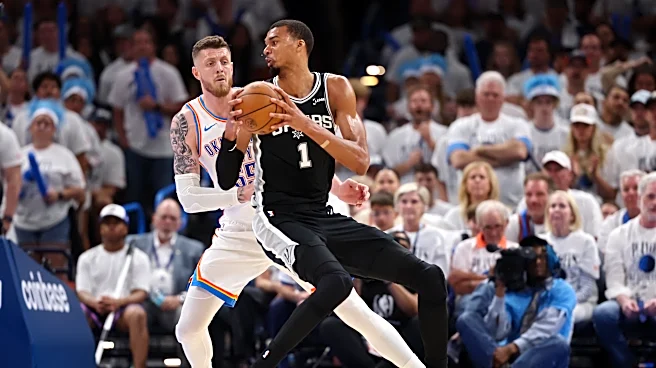
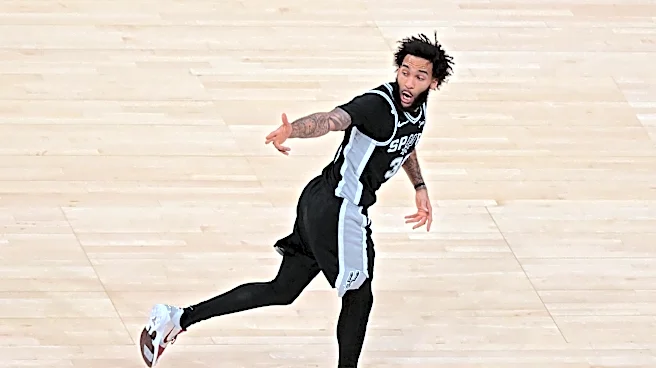
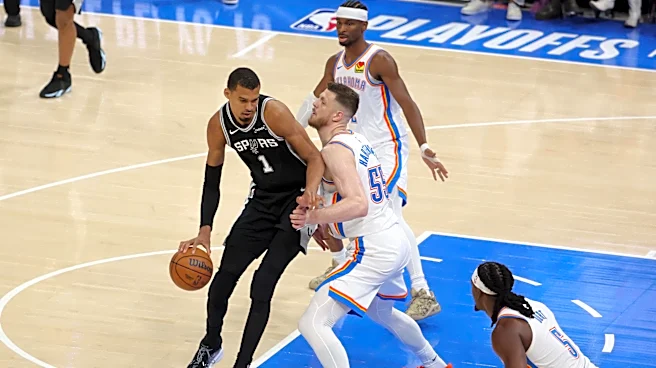
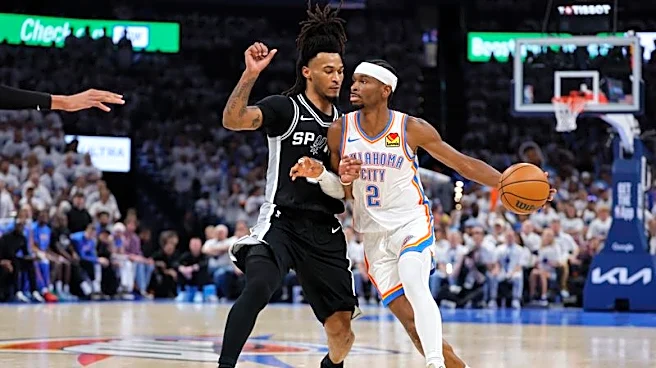
The NBA has issued a warning to Victor Wembanyama for not adhering to media access rules after the San Antonio Spurs' Game 5 loss to the Oklahoma City Thunder. Following the 127-114 defeat, which placed the Spurs at a 3-2 disadvantage in the Western Conference
finals, Wembanyama did not speak to reporters. This decision was communicated by a team spokesperson approximately an hour after Spurs coach Mitch Johnson addressed the media. During the game, Wembanyama scored 20 points on 4-for-15 shooting and had only one rebound in the first half. The Thunder managed a 49% shooting percentage with Wembanyama on the court, marking the highest field goal percentage against him in the postseason. Historically, the NBA has fined players for similar media access violations, with Jimmy Butler and Dillon Brooks each receiving $25,000 fines in 2023 for not speaking to the press after playoff games.
Why It's Important?
This incident highlights the NBA's emphasis on media relations and player accountability. The league's media access rules are designed to ensure transparency and engagement with fans, which are crucial for maintaining the sport's popularity and commercial success. Wembanyama's failure to comply with these rules could lead to financial penalties and affect his public image, especially given his recent accolade of the Magic Johnson Award for excellence on the court and cooperation with the media. The situation underscores the pressures on high-profile athletes to balance performance with media obligations, which can impact their reputation and marketability.
What's Next?
The Spurs face a critical Game 6 against the Thunder, where they must win to avoid elimination. Coach Mitch Johnson has emphasized the need to 'get their star center going' to improve their chances. Wembanyama's performance and media interactions will be closely scrutinized, as the team and player aim to navigate both competitive and public relations challenges. The NBA may impose fines if Wembanyama continues to violate media rules, which could prompt discussions on the enforcement of such regulations and their impact on player conduct.