
What's Happening?
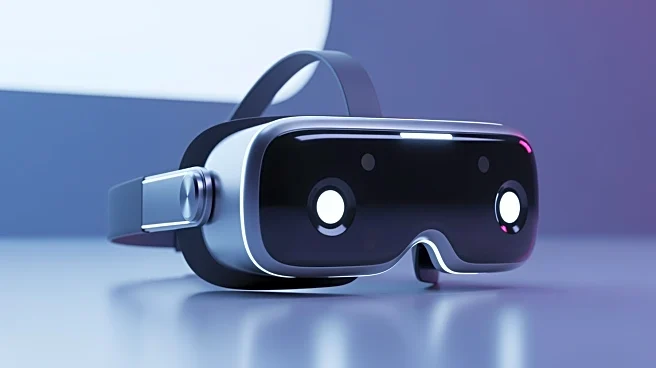
Xreal has revealed the first clip of its upcoming Project Aura, an Android XR device, during The Android Show: XR Edition. Project Aura is designed to resemble sunglasses and features a prism-lens see-through
design. It is equipped with a tethered compute puck running Google's Android XR on a Qualcomm Snapdragon chipset. The device boasts a 70-degree diagonal field of view, the widest for Xreal, and includes built-in head and hand tracking. Unlike Xreal's current products, which serve as virtual monitors, Project Aura will support most features and apps available on Galaxy XR, except for face-tracked avatars due to the lack of face tracking. The device is set to launch in 2026, despite Meta's delay of a similar headset to 2027.
Why It's Important?
The introduction of Project Aura marks a significant step in the evolution of XR technology, offering a more immersive experience with its advanced features. This development could influence the competitive landscape of the XR market, particularly as companies like Meta and Apple work on similar technologies. The device's ability to integrate with existing Android XR applications could enhance user engagement and broaden the market for XR devices. Additionally, the collaboration between Xreal and Google highlights the growing interest in XR technology and its potential applications across various industries, including entertainment, education, and remote work.
What's Next?
As Project Aura is set to launch in 2026, the next steps involve finalizing the device's features and ensuring compatibility with existing XR applications. Xreal and Google may continue to refine the device's capabilities to meet consumer expectations and industry standards. The XR market is likely to see increased competition as other companies, such as Meta and Apple, advance their own XR technologies. This could lead to further innovations and potentially lower prices for consumers as companies strive to capture market share.