


What's Happening?
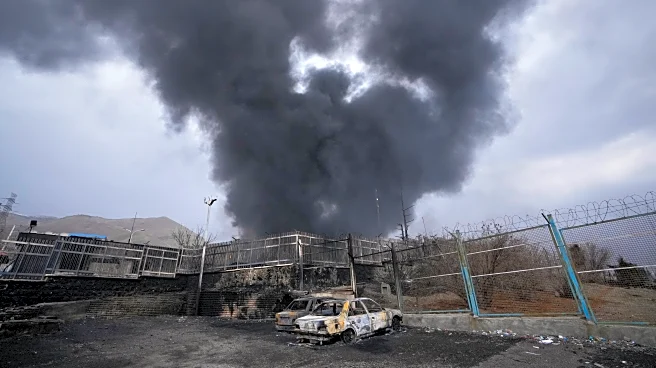
Paul Sankey of Sankey Research has expressed concerns about ongoing disruptions in the oil market due to instability in the Middle East. Speaking on CNBC's 'Fast Money', Sankey highlighted that the rebound in oil prices is a response to these disruptions,
which he believes are far from over. The geopolitical tensions in the region, particularly involving Iran, have led to significant volatility in oil prices. Sankey's analysis suggests that the market should brace for continued uncertainty as the situation evolves.
Why It's Important?
The disruptions in the Middle East have far-reaching implications for the global oil market and, by extension, the U.S. economy. Rising oil prices can lead to increased costs for consumers and businesses, potentially driving inflation and affecting economic growth. The energy sector, a critical component of the U.S. economy, could face challenges in terms of supply chain stability and pricing strategies. Additionally, prolonged instability could impact global trade and economic relations, necessitating strategic responses from policymakers and industry leaders.
What's Next?
As the situation in the Middle East continues to develop, market participants will be closely monitoring geopolitical developments and their impact on oil prices. Analysts and investors will be looking for signs of resolution or escalation, which could influence market dynamics. Policymakers may need to consider strategic reserves and alternative energy sources to mitigate potential supply disruptions. The energy sector will likely focus on risk management and contingency planning to navigate the uncertain landscape.