




What's Happening?
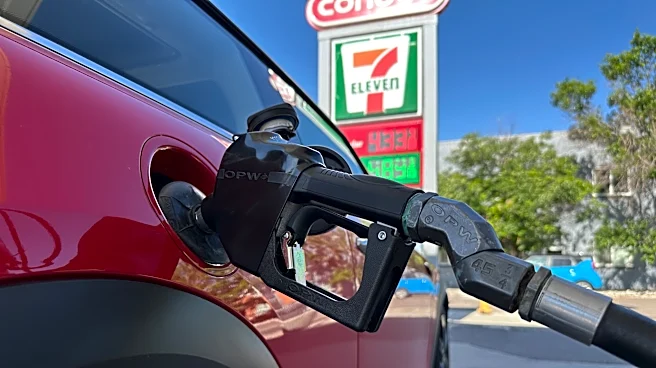
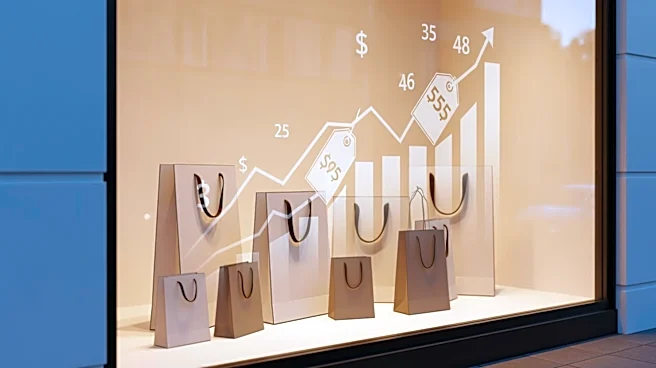
Singapore's retail sales are experiencing growth, with a 5.4% increase in April, following a 4.6% rise in March. However, this growth masks underlying consumer budget constraints due to rising energy costs and softening regional tourism. Petrol service
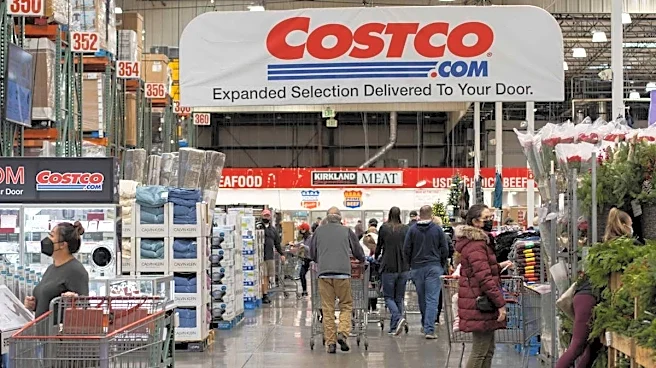
stations have significantly contributed to the sales increase, driven by higher pump prices amid Middle East tensions. RHB has revised its full-year retail sales growth forecast to 3.0%, anticipating a slowdown as households face reduced disposable income and softer tourism demand. Discretionary spending in sectors like department stores and luxury goods is expected to decline, while essential spending on food and staples remains resilient.
Why It's Important?
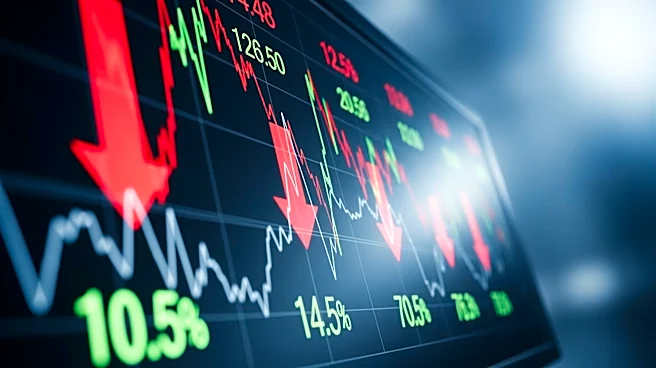
The retail sector's performance is a critical indicator of consumer confidence and economic health. The current growth, driven by specific sectors like petrol stations, suggests that consumer spending power is under pressure. Rising energy costs and geopolitical tensions are impacting disposable income, which could lead to reduced consumer spending in non-essential areas. This situation poses challenges for retailers, particularly those reliant on discretionary spending. The potential slowdown in retail growth could have broader economic implications, affecting employment and business strategies in the retail sector.
What's Next?
Retailers may need to adapt their strategies to address changing consumer behaviors and economic conditions. This could involve focusing on essential goods and services or exploring new markets to offset domestic challenges. Policymakers might also consider measures to support consumer spending and stabilize the economy. The retail sector's performance in the coming months will be crucial in understanding the broader economic impact of rising costs and geopolitical tensions.